MONTEC gear temperature guide: layering setups from mild to extreme cold
Struggling to dial in your layering for the temperature outside? You're not alone. Our MONTEC gear temperature guide walks you through exactly which pieces from our range to pair up, from mild spring days to deep-winter cold.

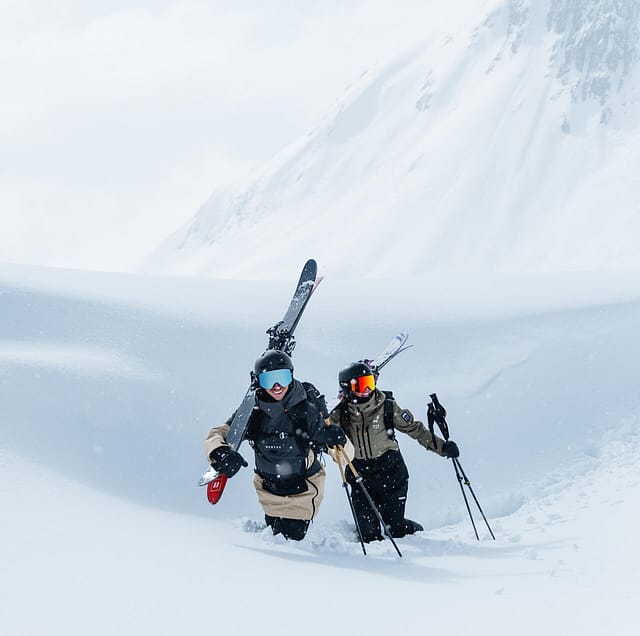
Getting your layering right is the difference between a good day on the mountain and a miserable one. Too much and you're overheating on the lift, too little and you're shivering by lunch. This guide walks you through the MONTEC pieces we'd pair up at each temperature range, so you can build a setup that keeps you comfortable whatever the forecast throws at you.
Before we dive in, a quick reality check. The guide below is a starting point, not a rulebook. We're all built differently, with some running hotter and some colder, so play around with layer counts and insulation to find your sweet spot. How active you'll be matters too. Hard-charging or touring uphill, you'll generate more heat. Easy cruisy lift days, you'll cool down faster. Adjust the layer count up or down accordingly. And don't forget wind, sun, and how long you're out, these can all shift things further. So treat the ranges below as your launchpad and tweak as you go. Now let's dig into the finer details!
Different MONTEC setups for different temperatures
Mild temperatures and spring: 50 to 30°F
Standard winter: 30 to 15°F
Cold: 15 to 0°F
Extreme cold: below 0°F
How you lose heat (and how to stop it)
Tips for staying warm
Mild temperatures and spring: 50 to 30°F
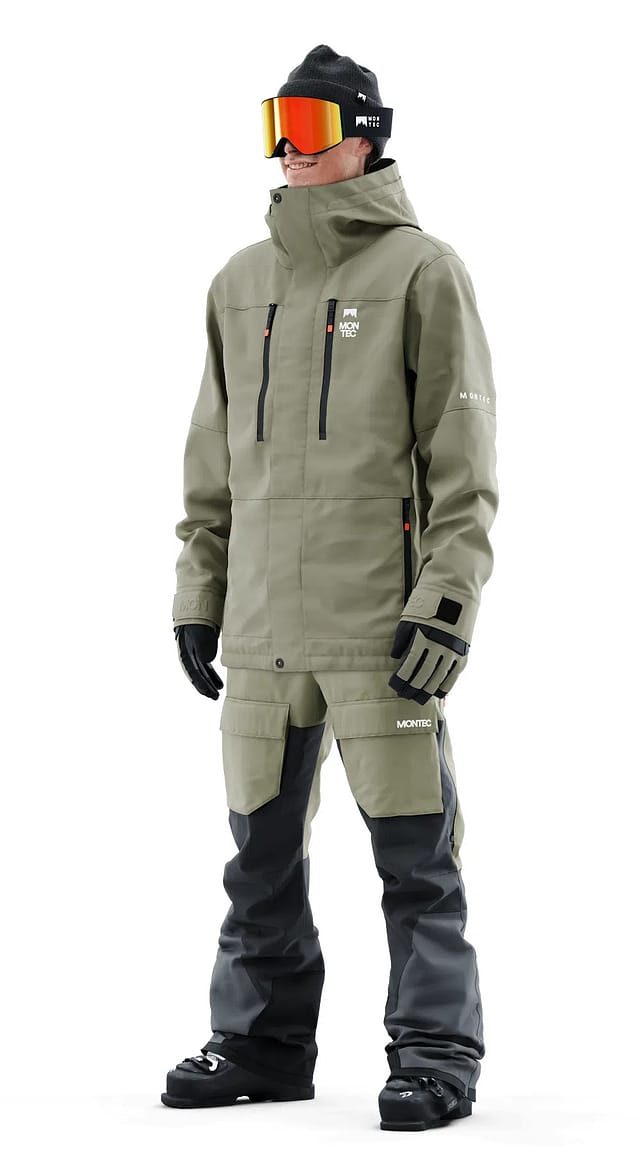
When temperatures are mild and hovering around freezing, you can scale back your layering. Aim for:
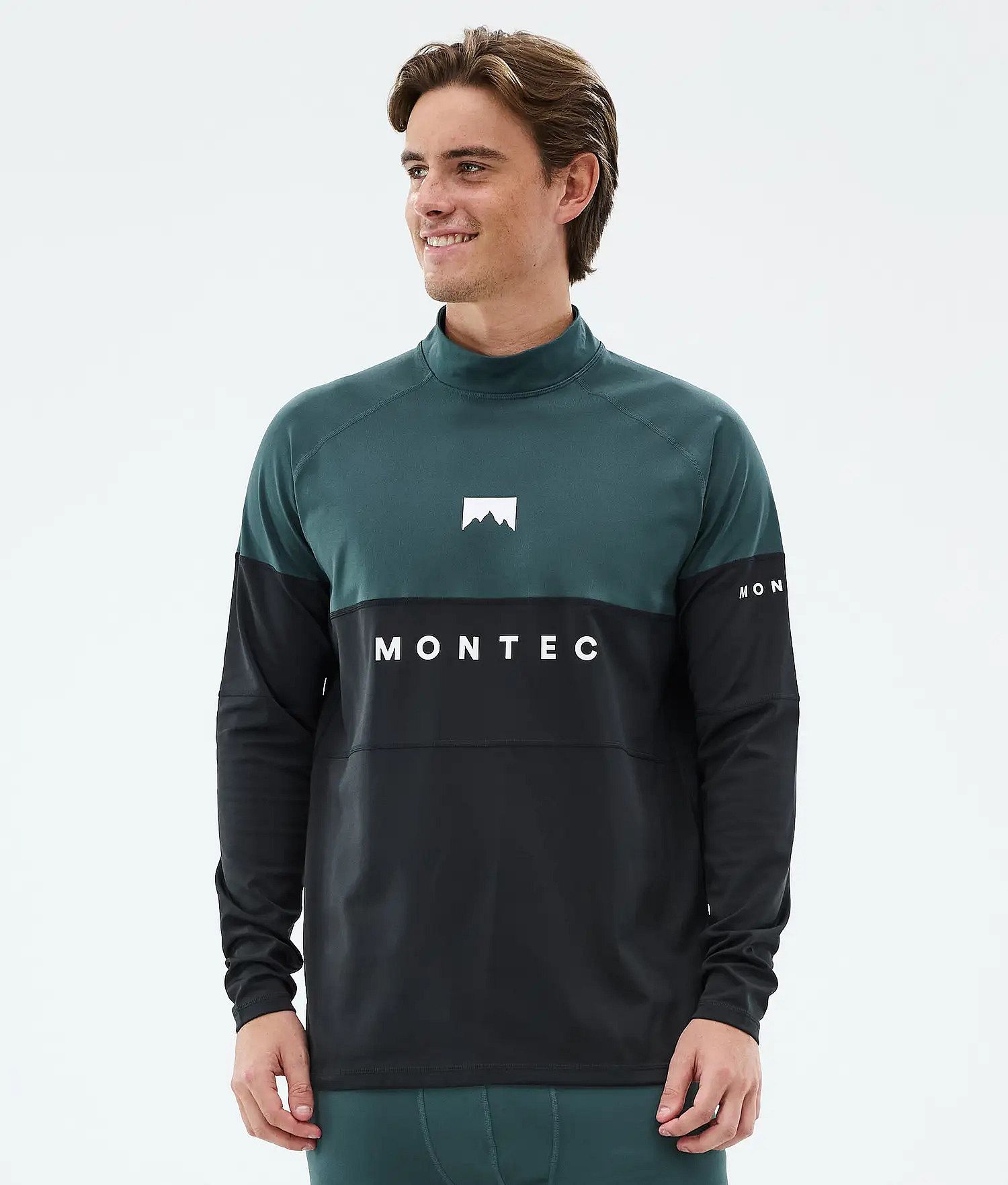
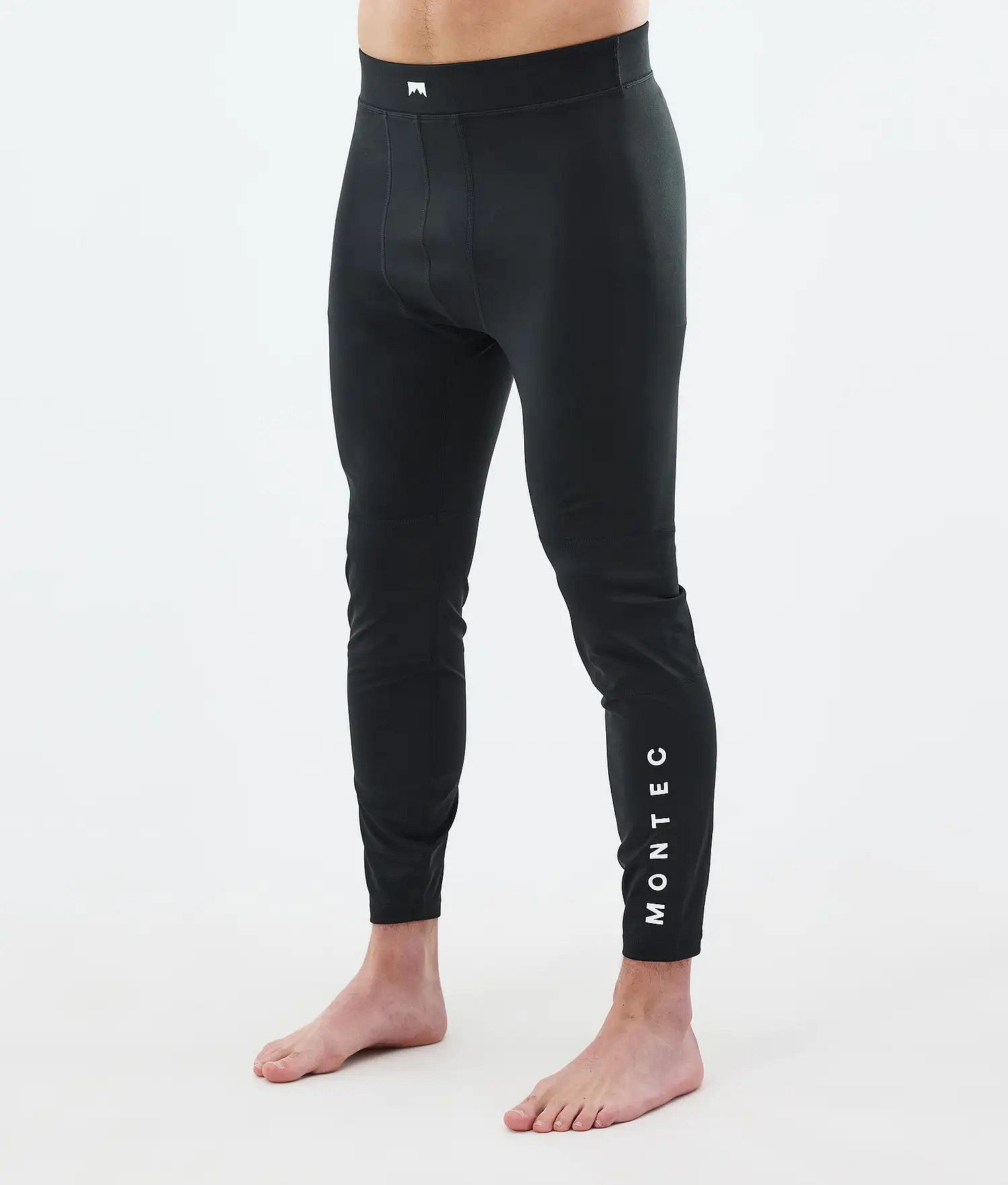
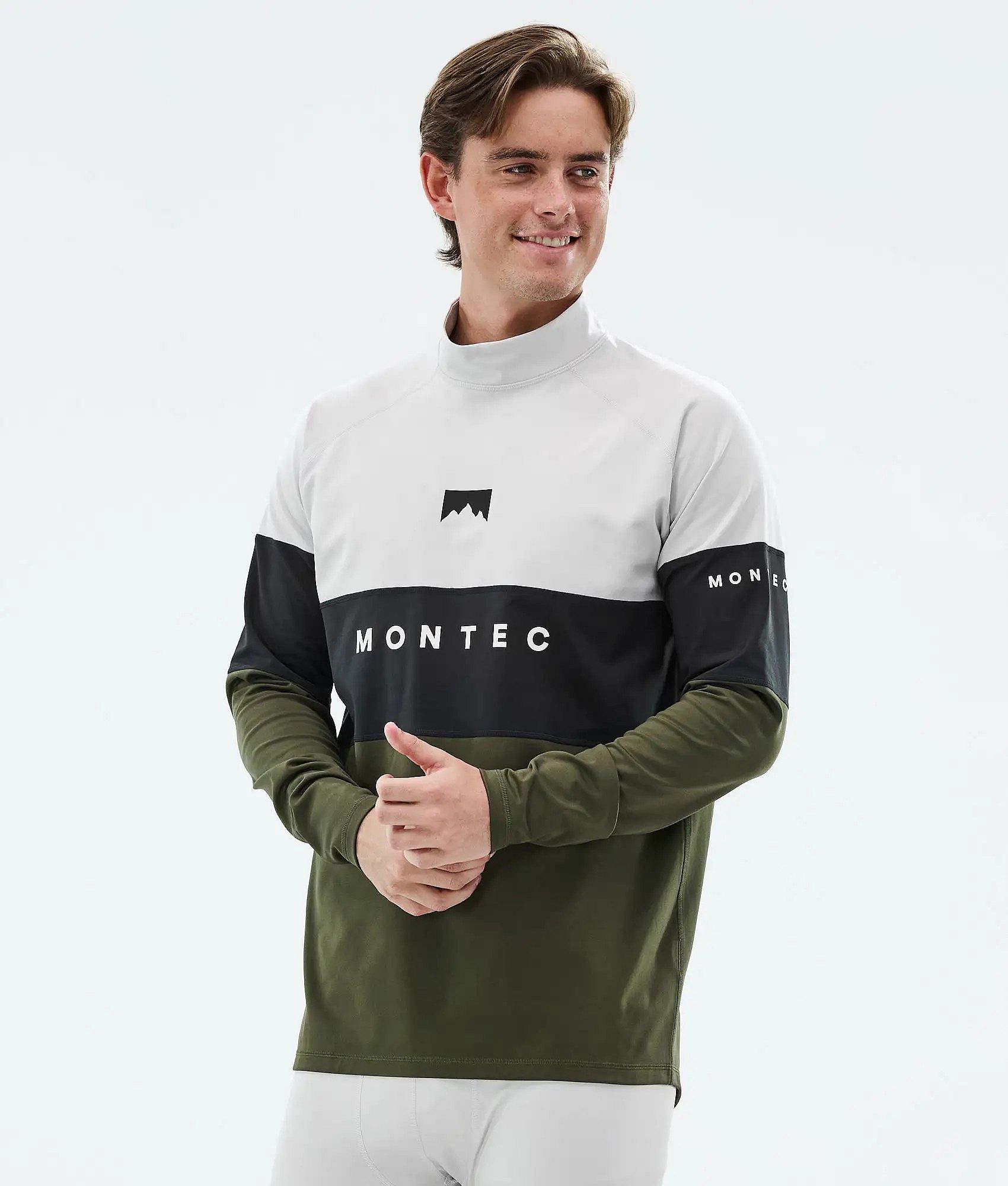
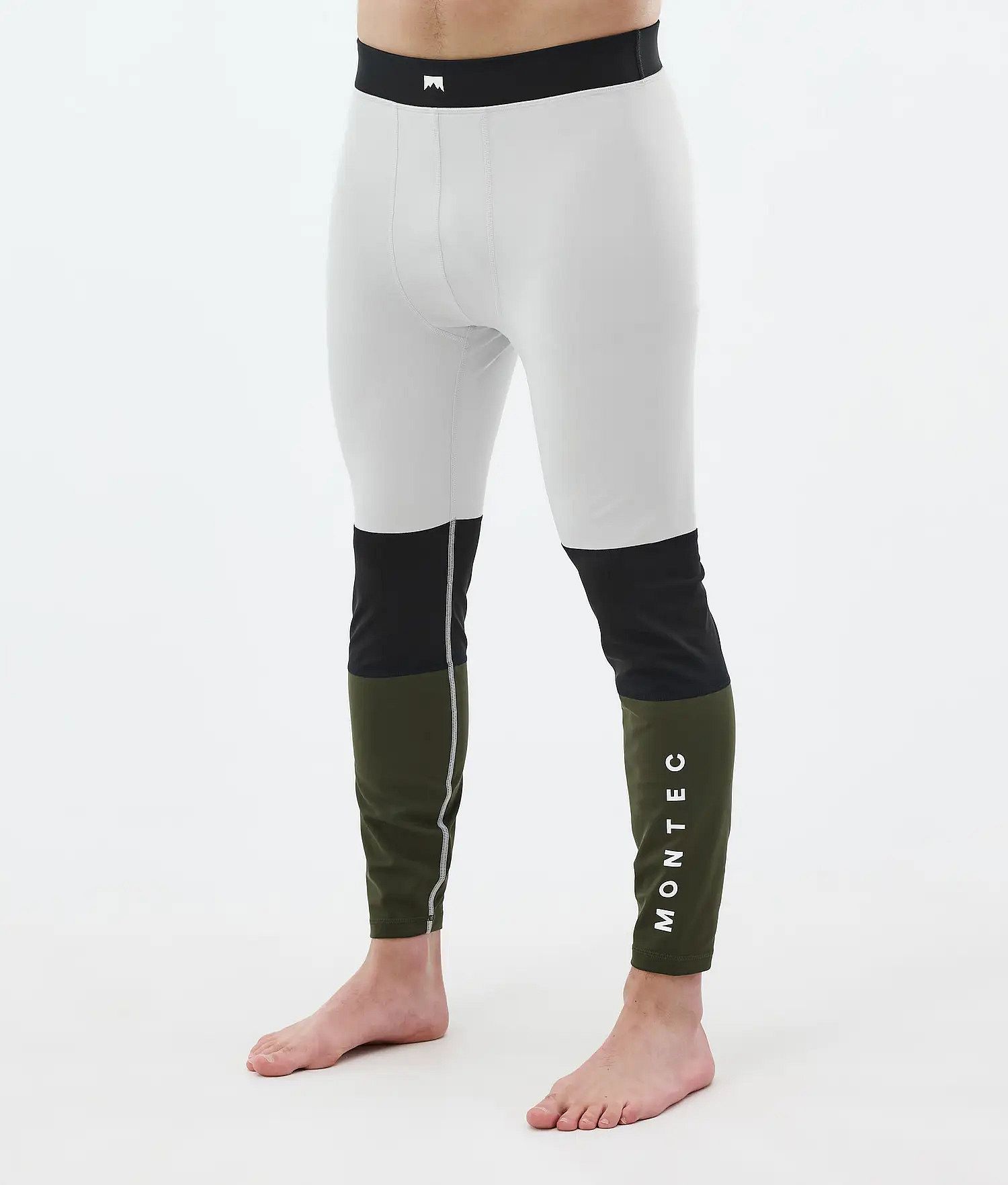
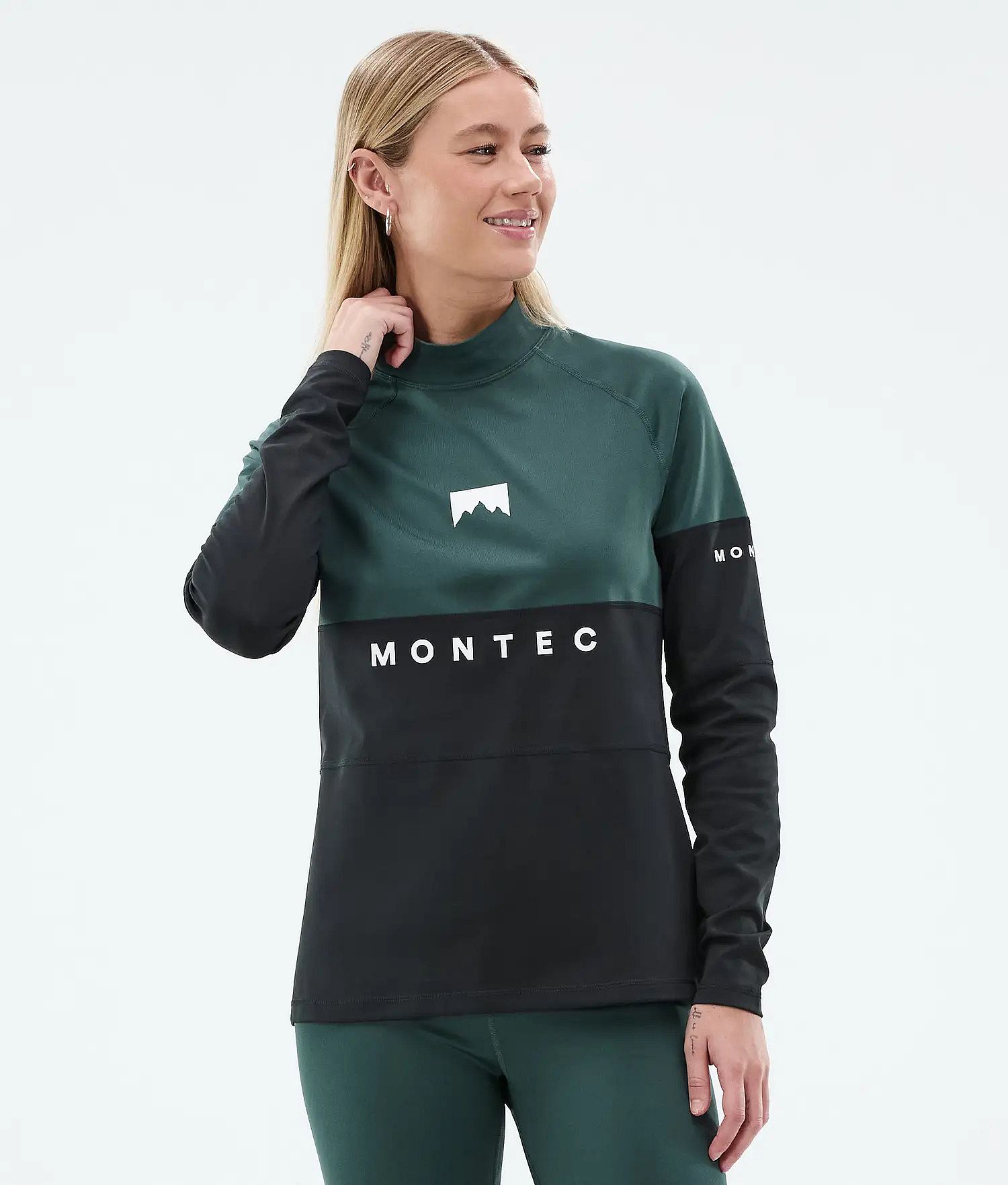
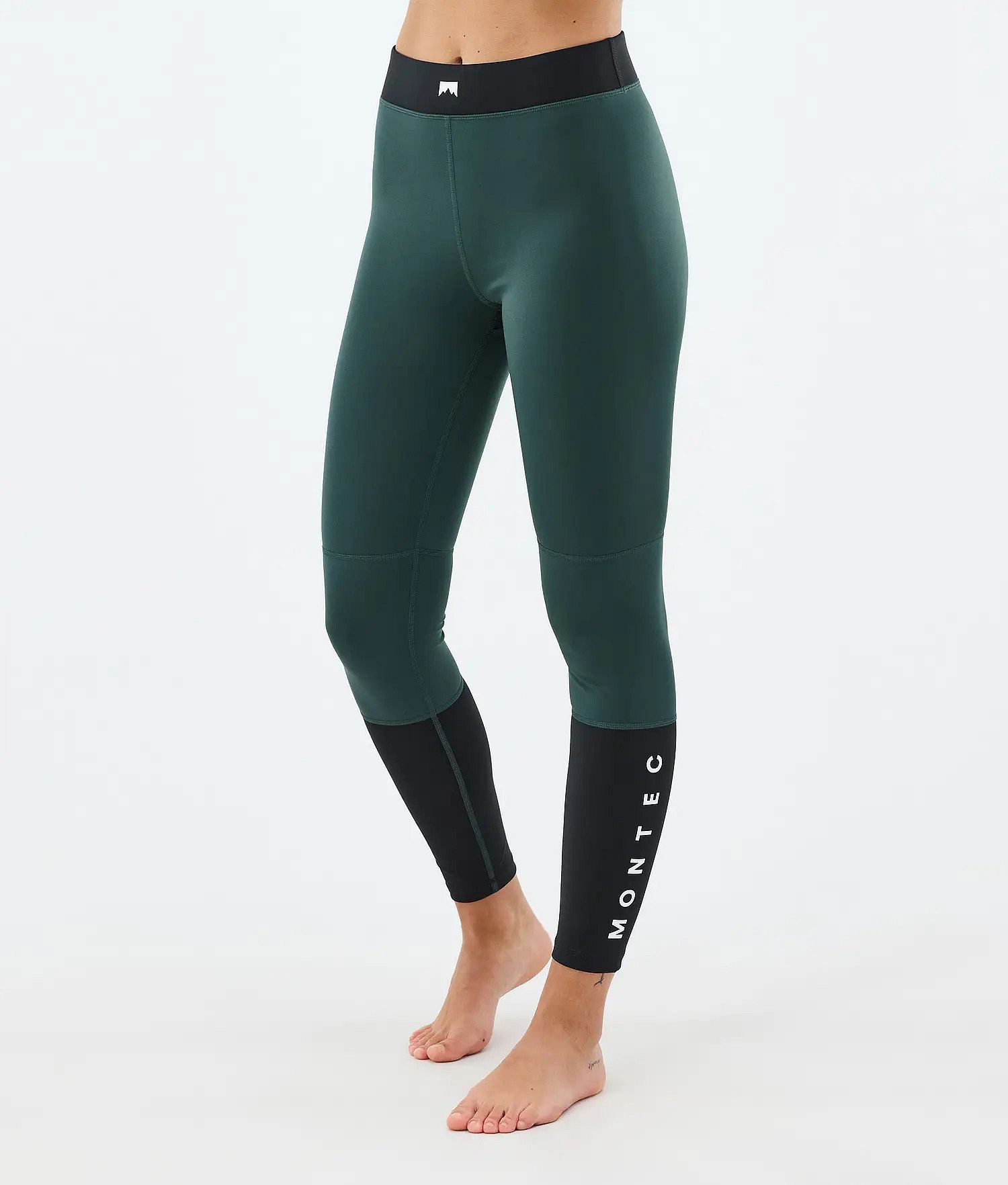
- A moisture-wicking baselayer top and bottoms (Alpha baselayers)
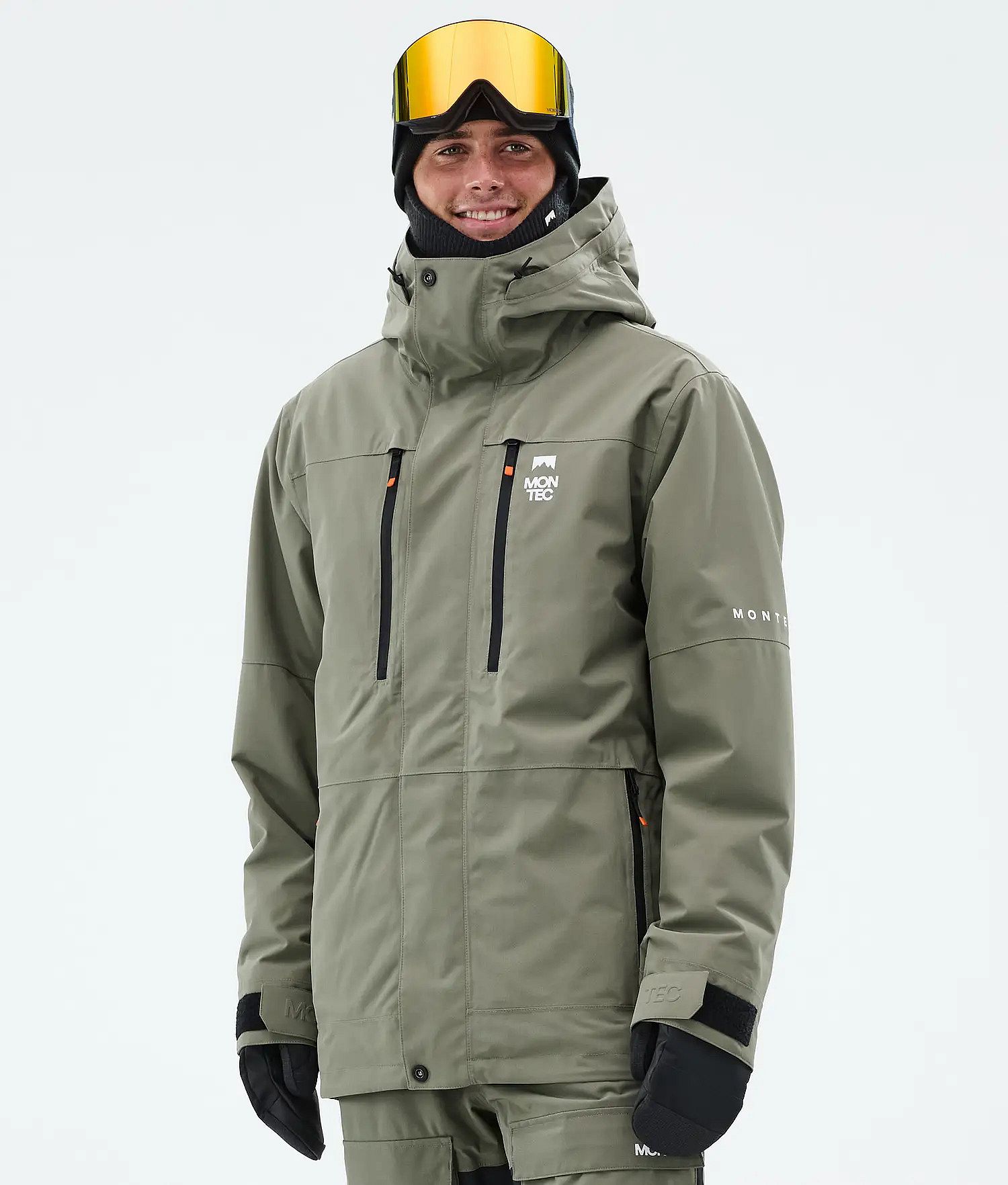
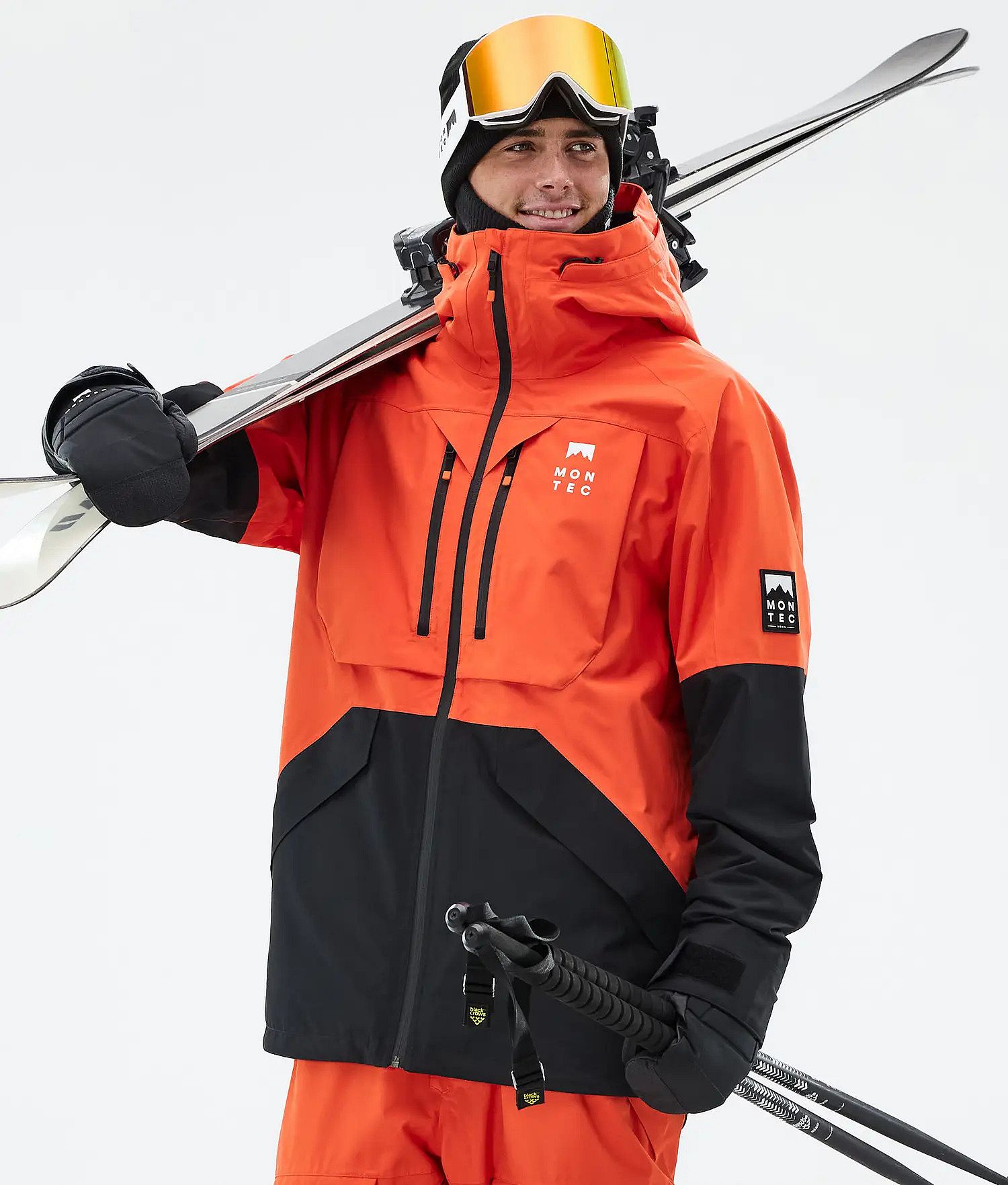
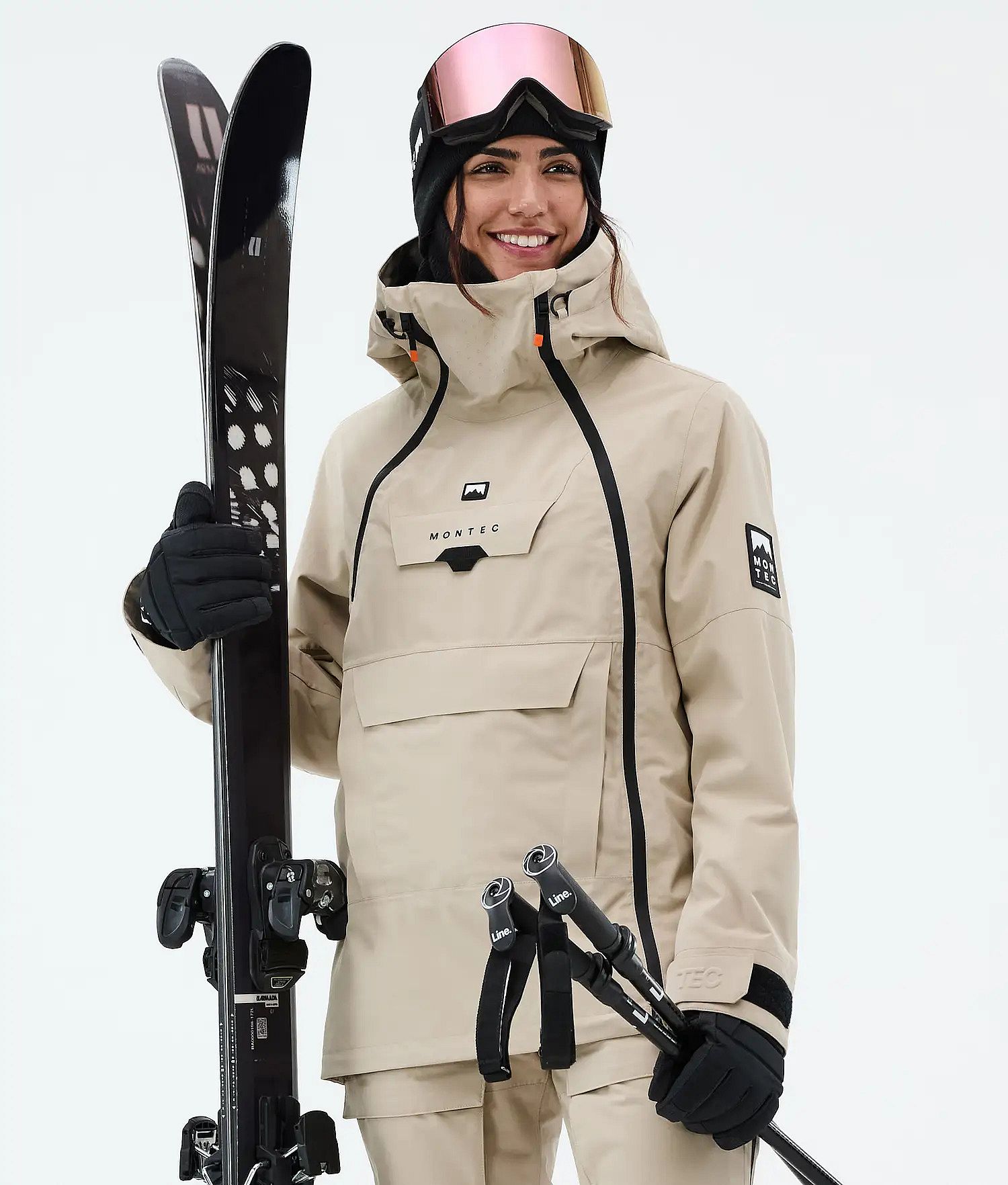
- A shell jacket (Fawk or Arch)
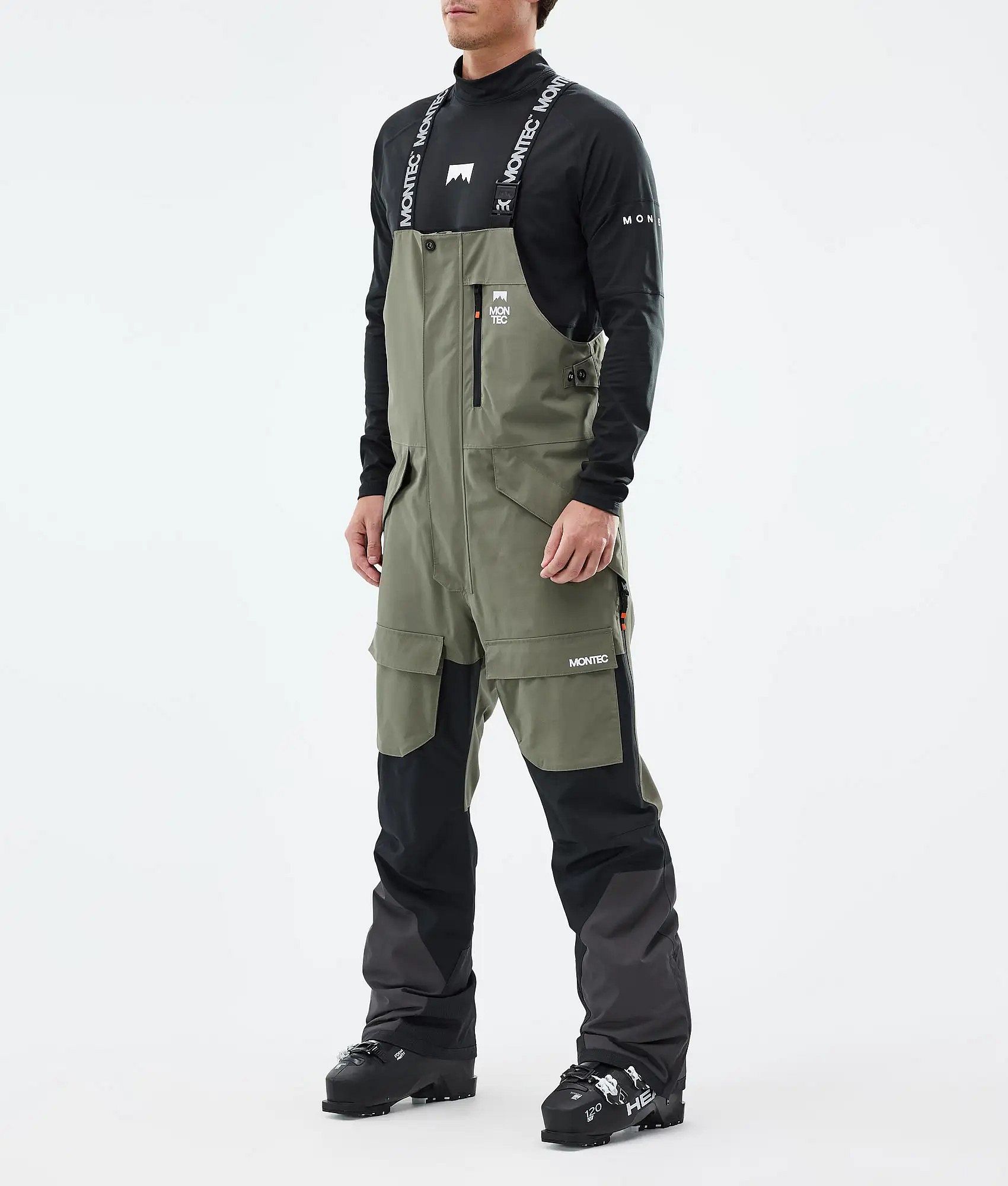
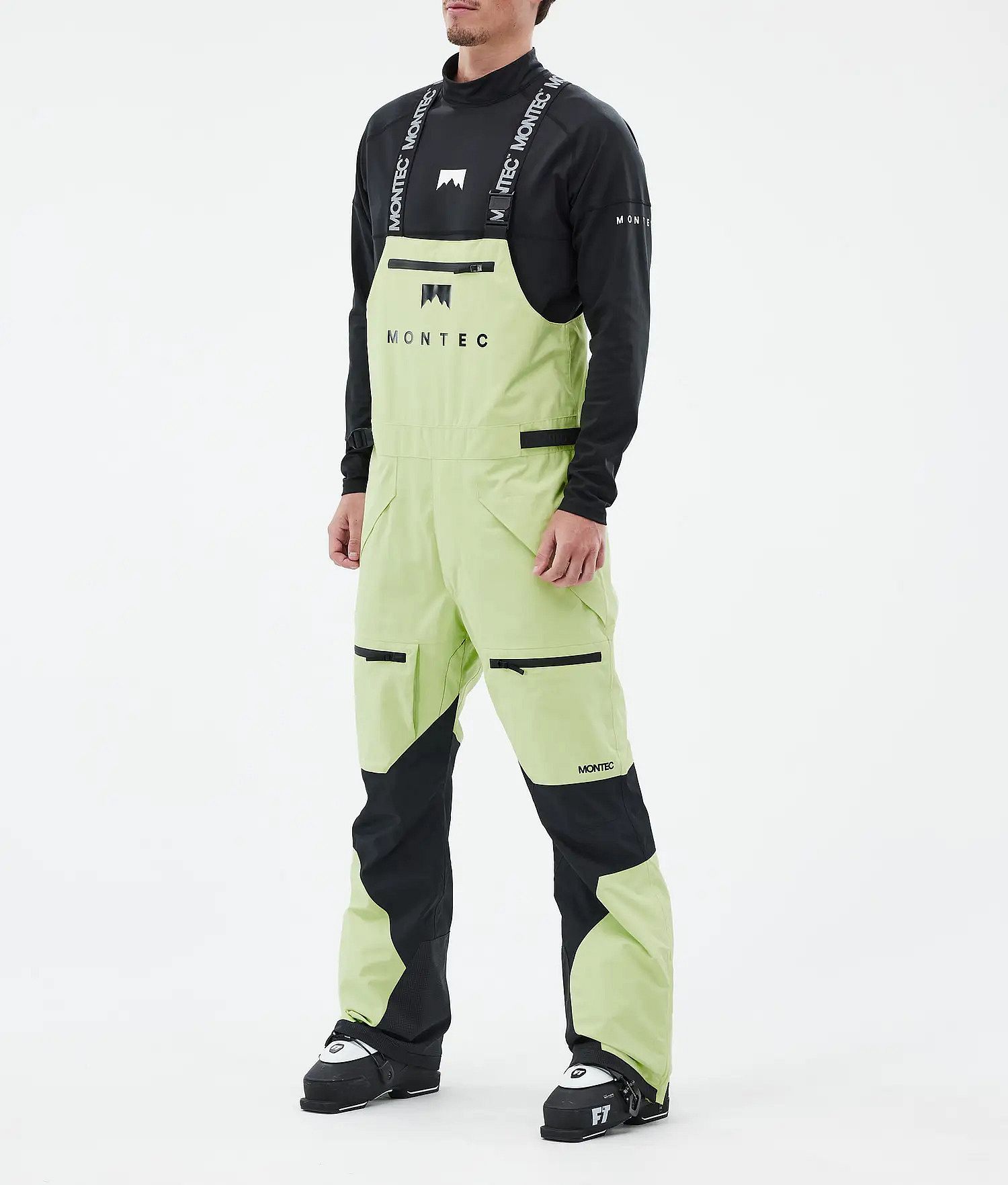
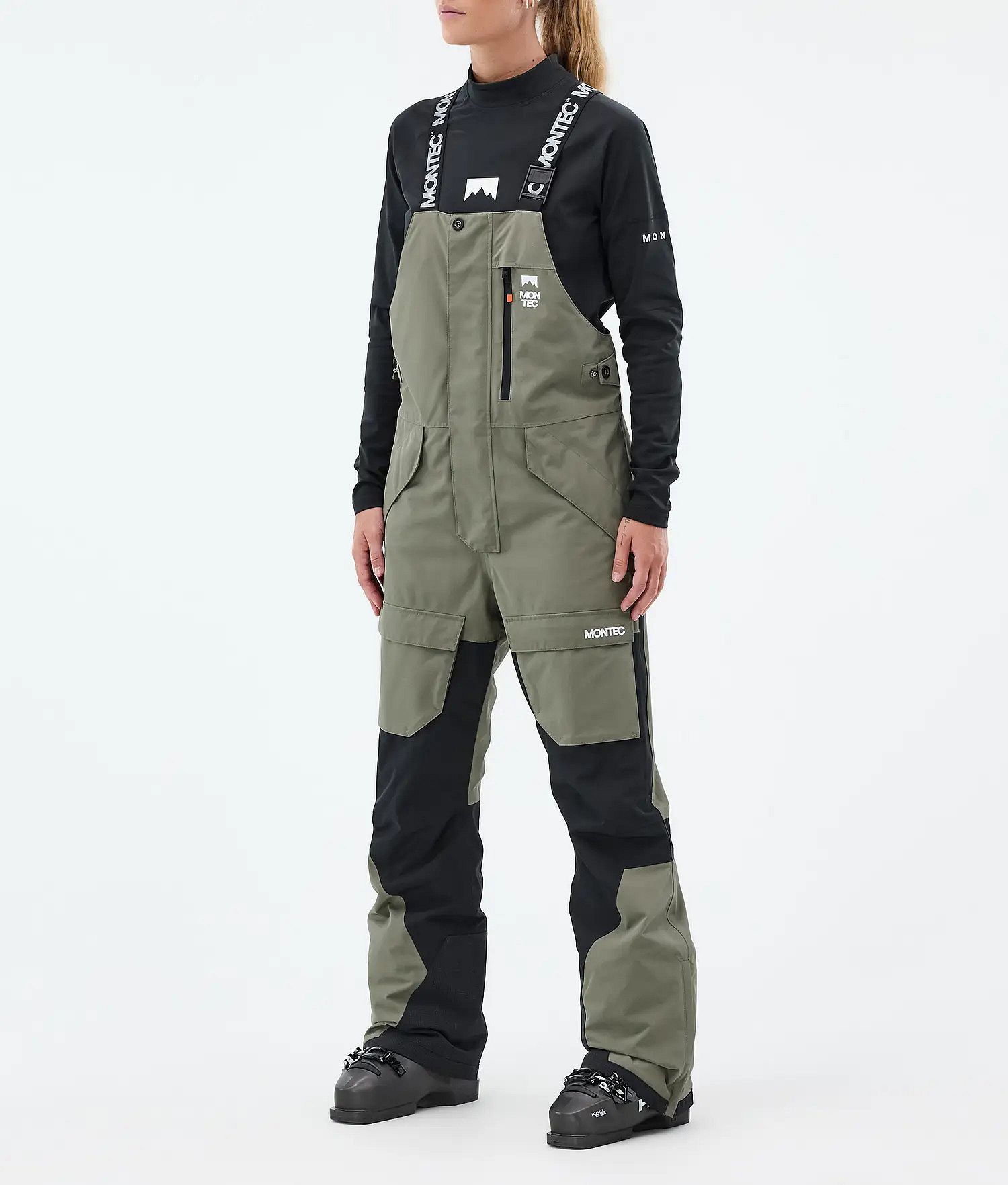
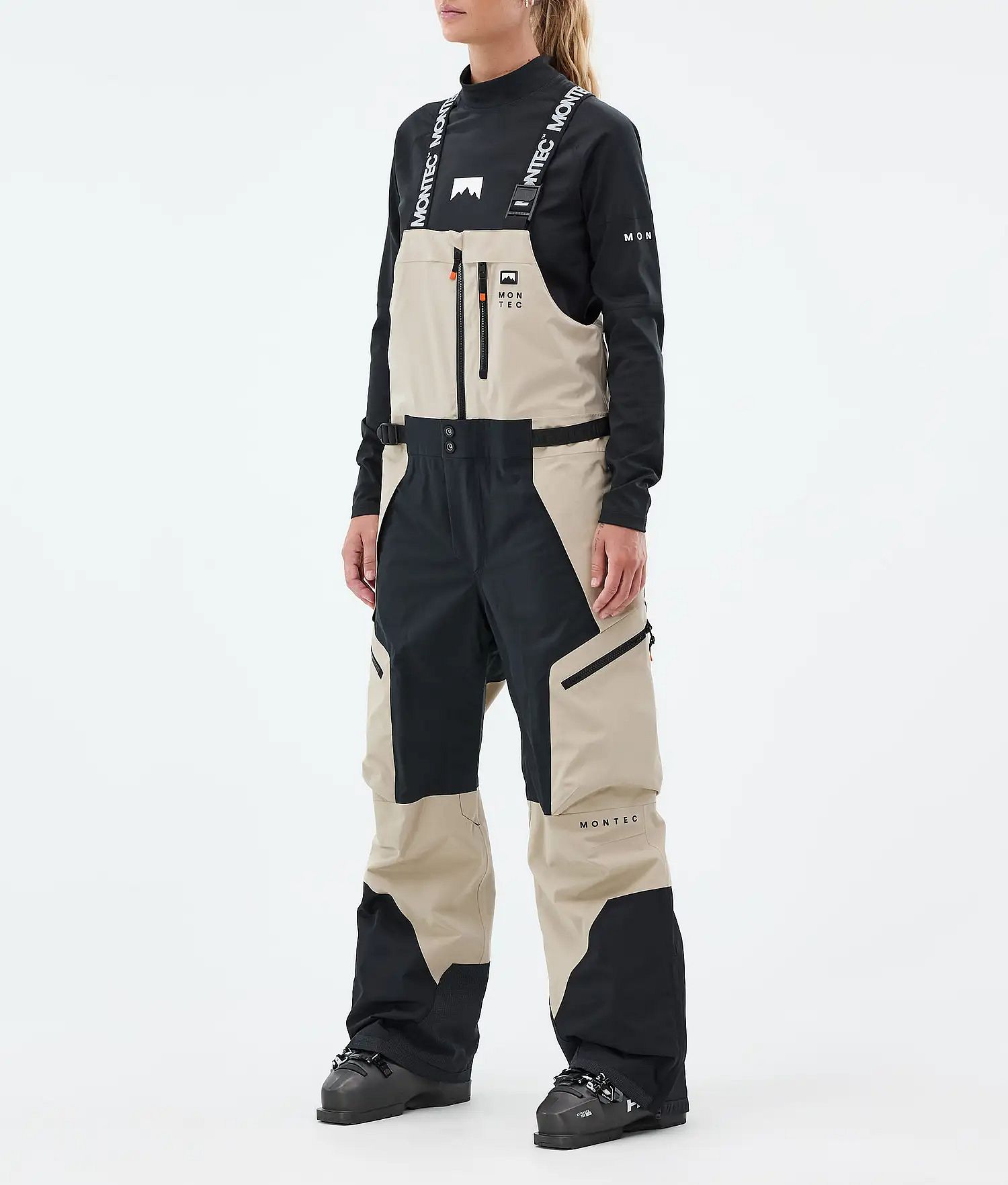
- Shell pants (Fawk or Arch bibs)
Our Alpha baselayers are simply the best. Pair them with a Fawk or Arch jacket in our shell option. See Montec shell vs insulated jackets for a full breakdown of both builds. For pants, opt for the shell version of the Fawk or Arch bibs. Build your mild-weather outfit from the pieces below:
Standard winter: 30 to 15°F
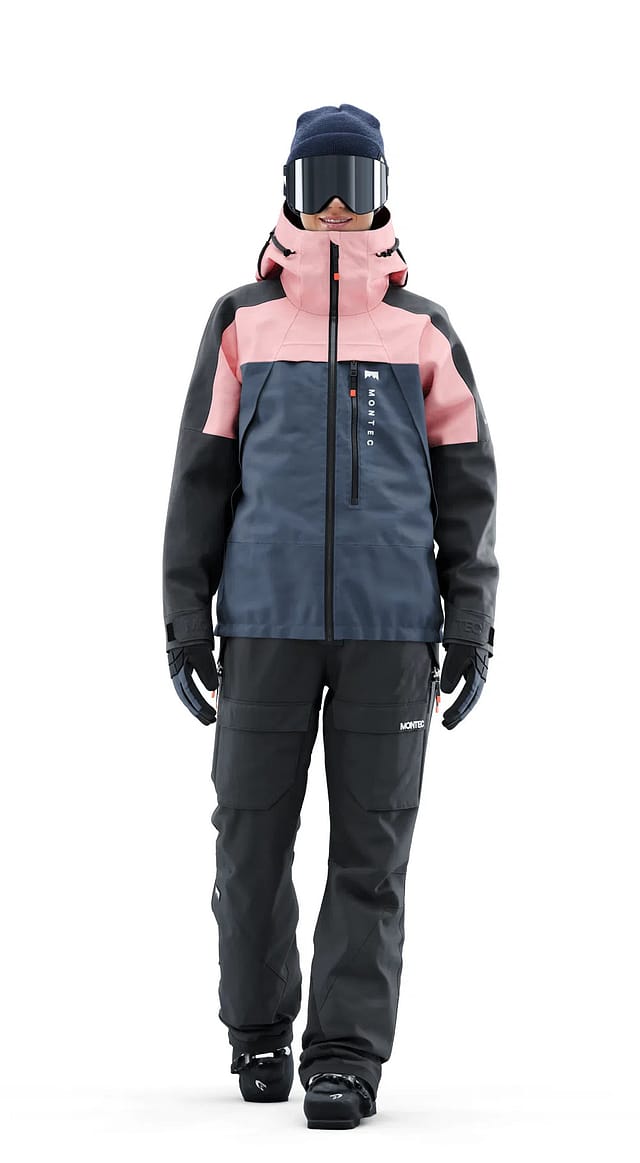
Most riders shred in this temperature range. And most resorts sit within this scale for much of the winter. So, here’s what we’d recommend:
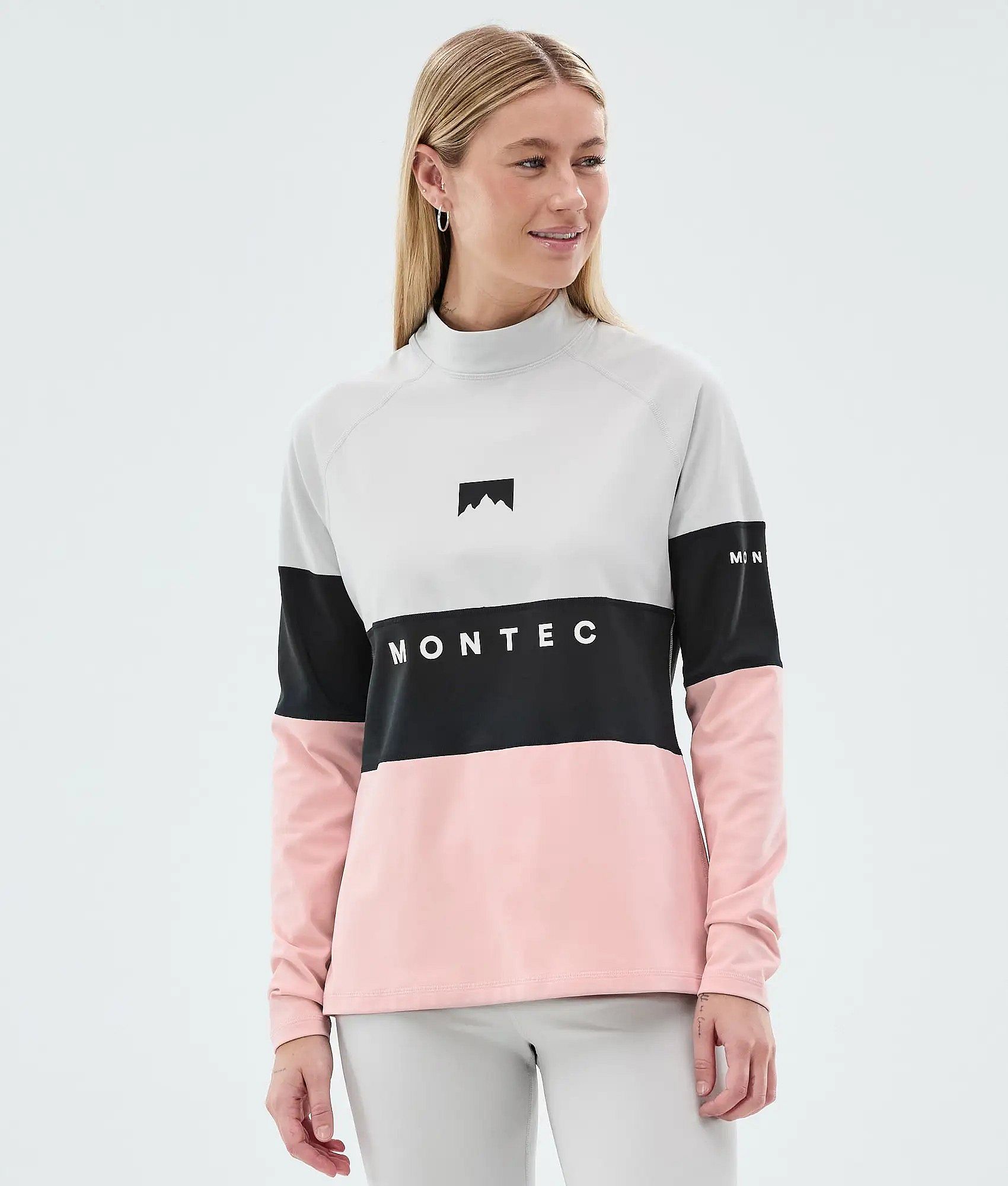
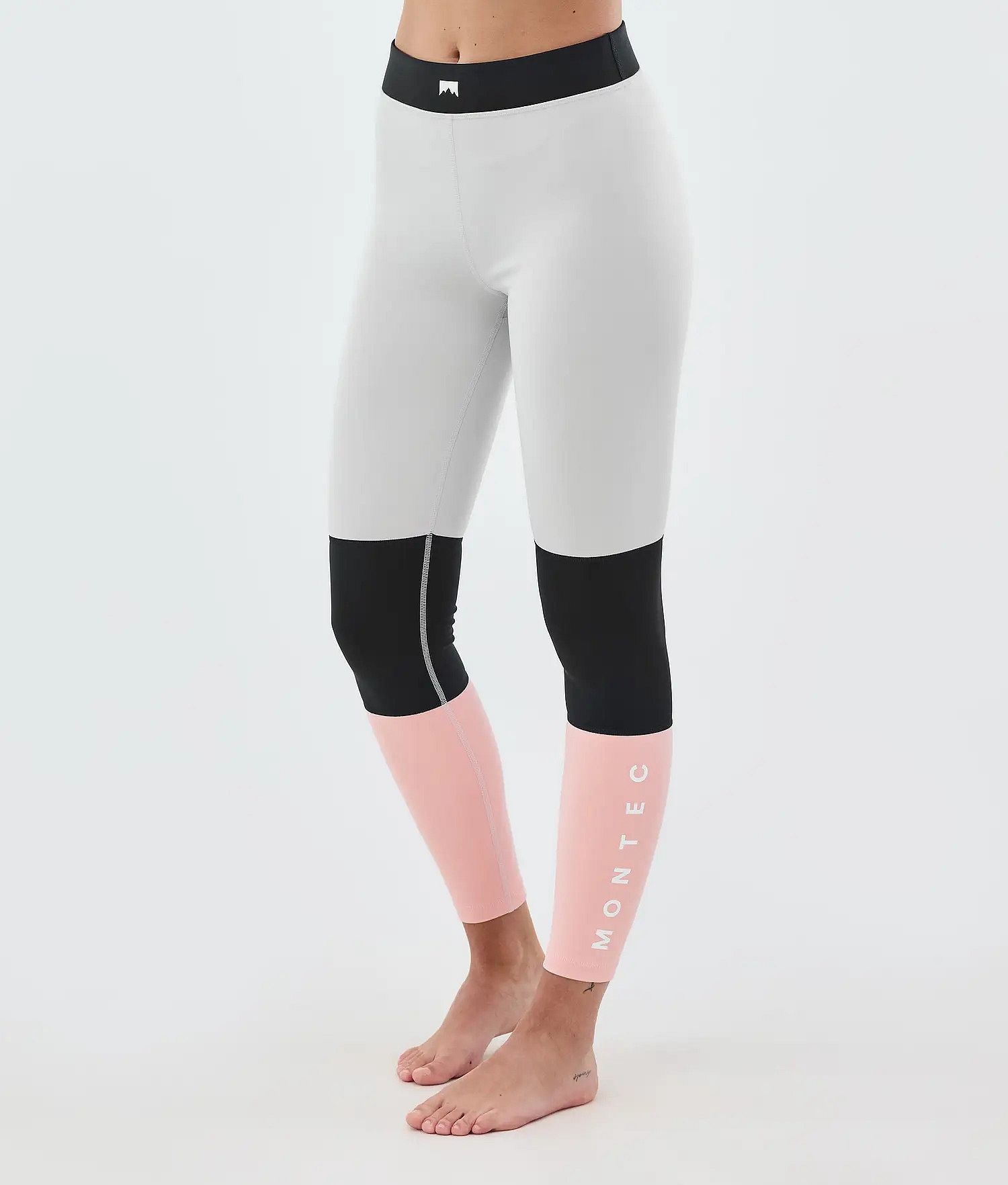
- A moisture-wicking baselayer top and bottoms (Alpha baselayers)
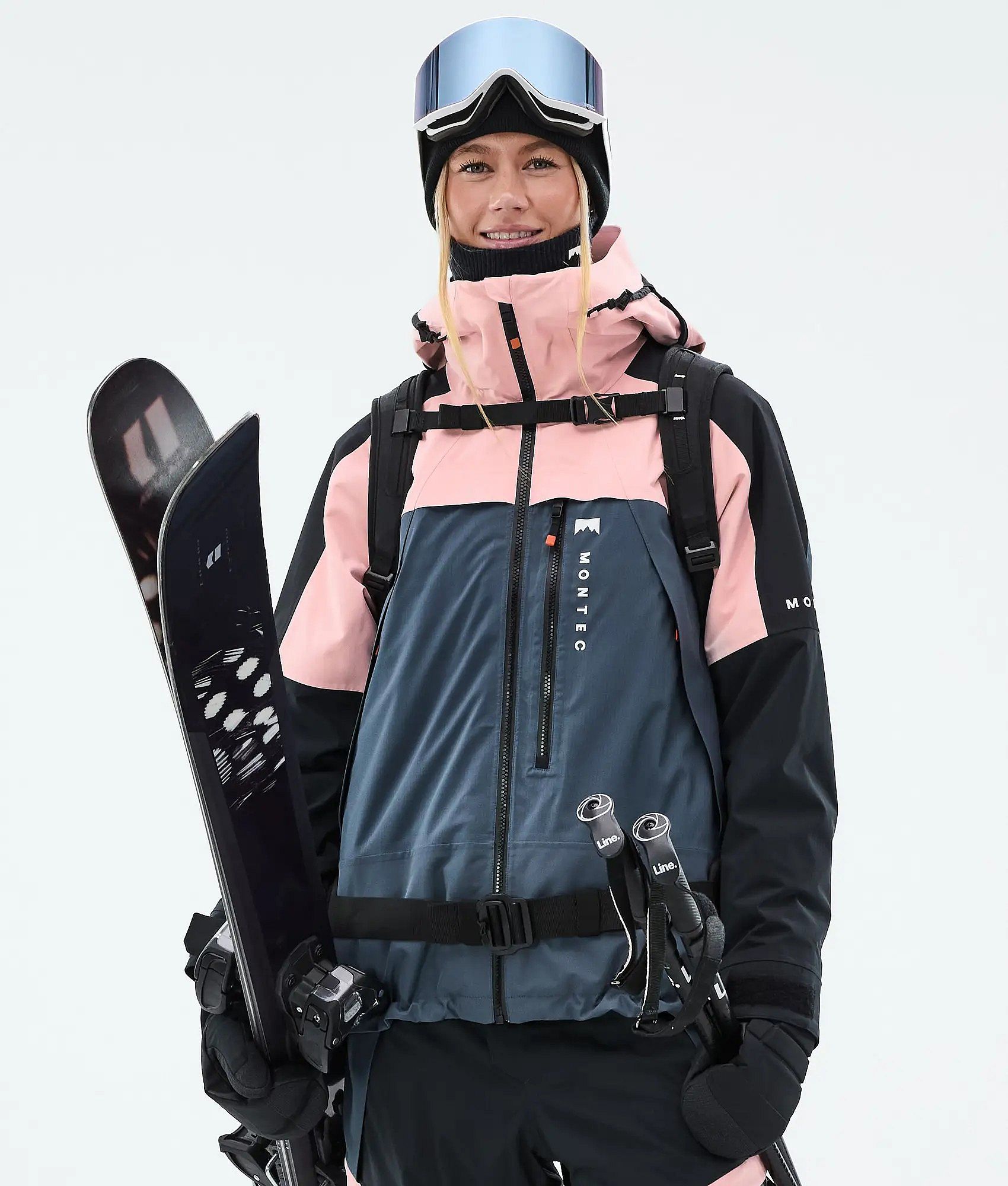
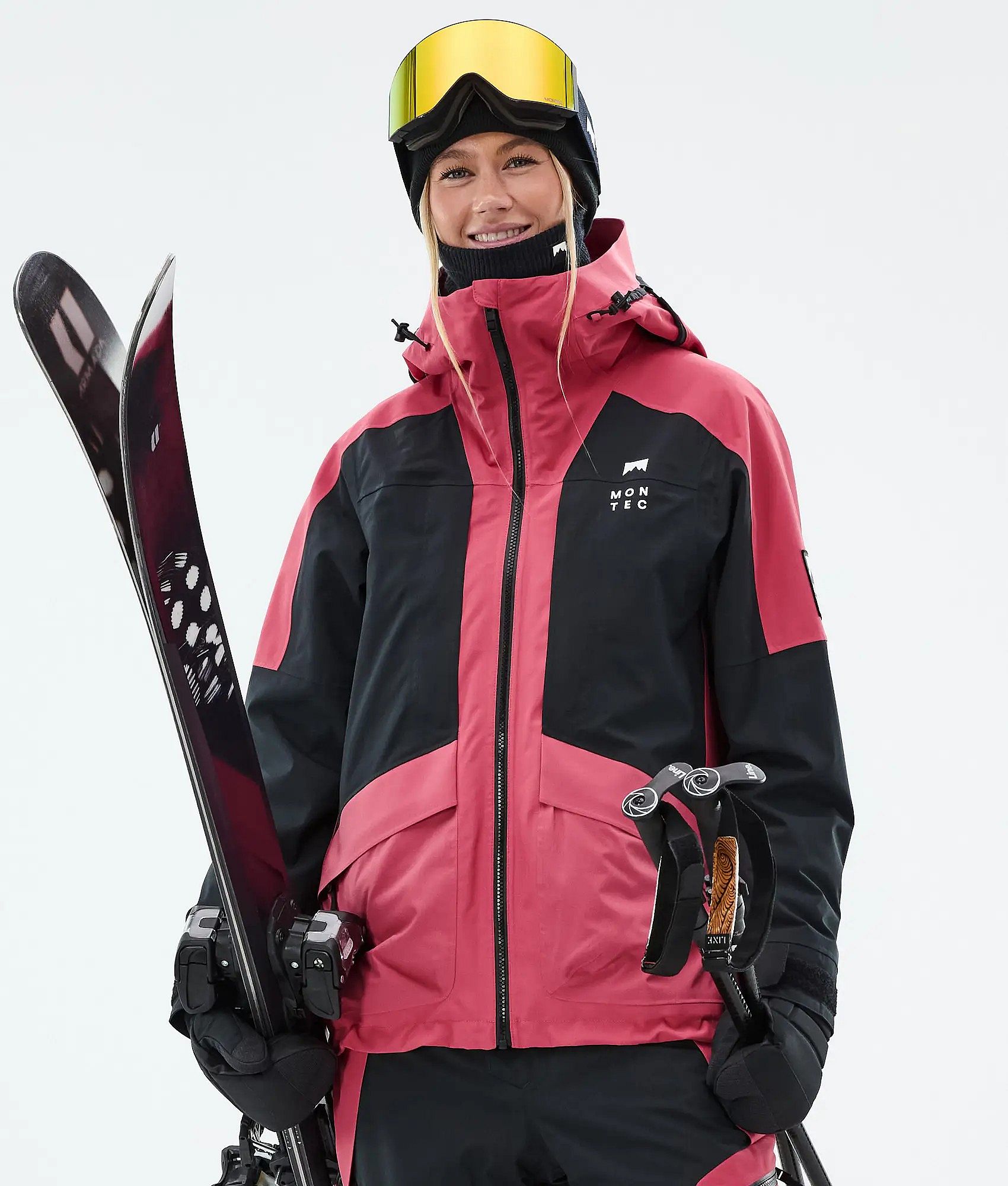
- An insulated jacket (Oracle or Morpheus)
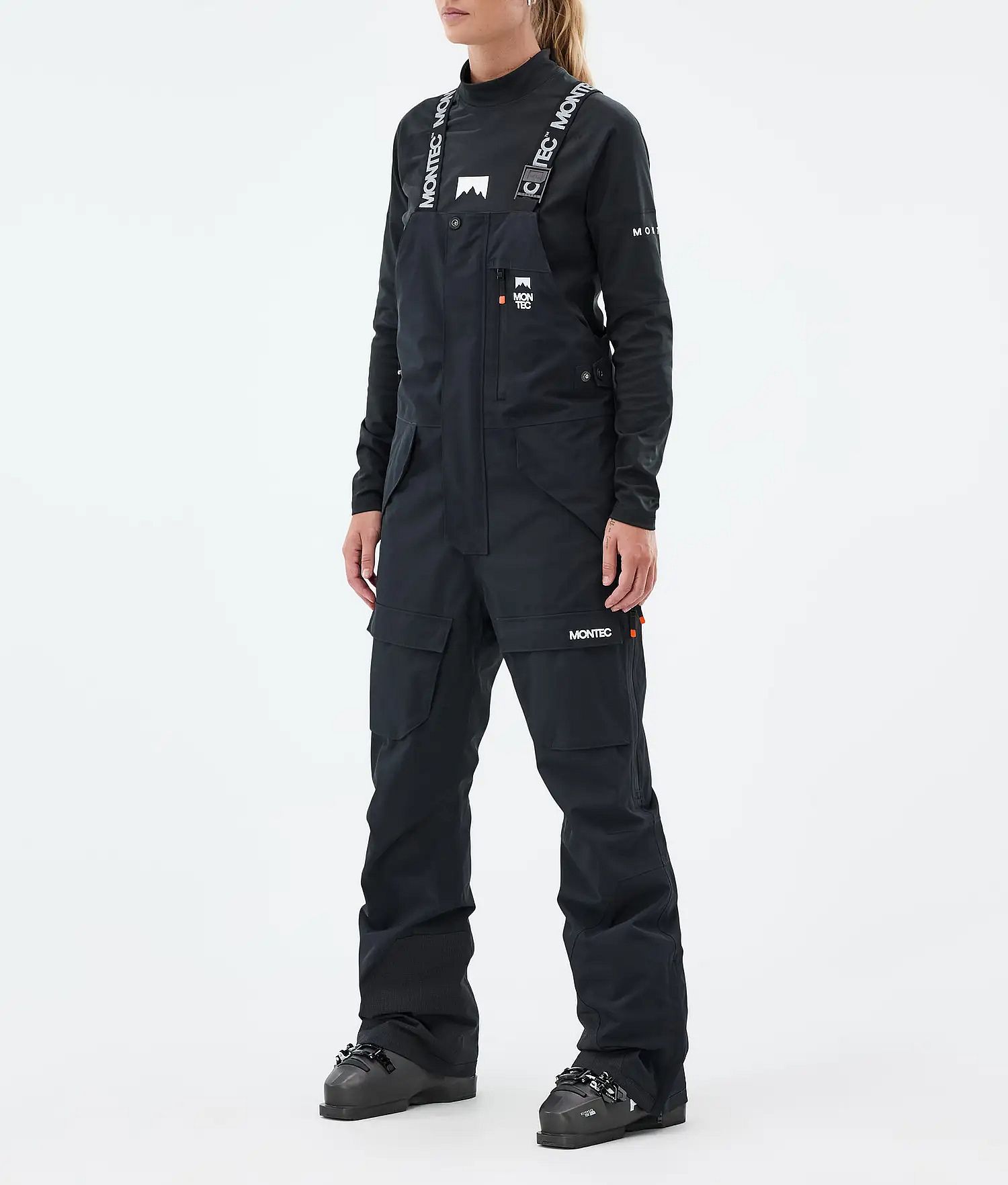
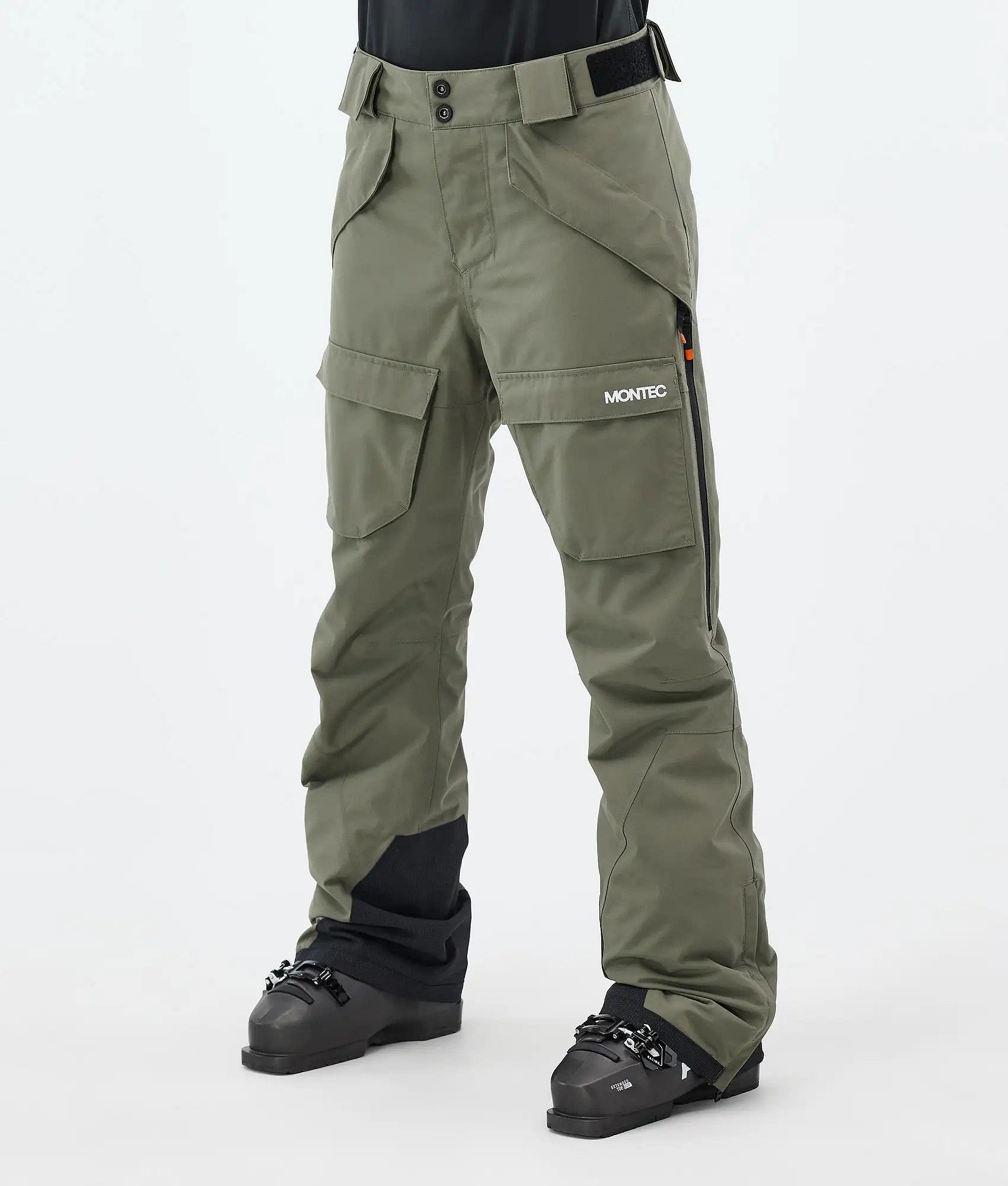
- Shell or insulated pants, depending on preference (Fawk shell bibs or insulated Kirin pants)
Stick with the Alpha baselayers. Then, pair them with the Oracle or Morpheus insulated jacket, and the Fawk shell bibs or the Kirin pants. Torn between the two? Our ski bibs vs pants guide breaks down which suits your riding. Build your standard winter outfit from the pieces below:
Cold: 15 to 0°F
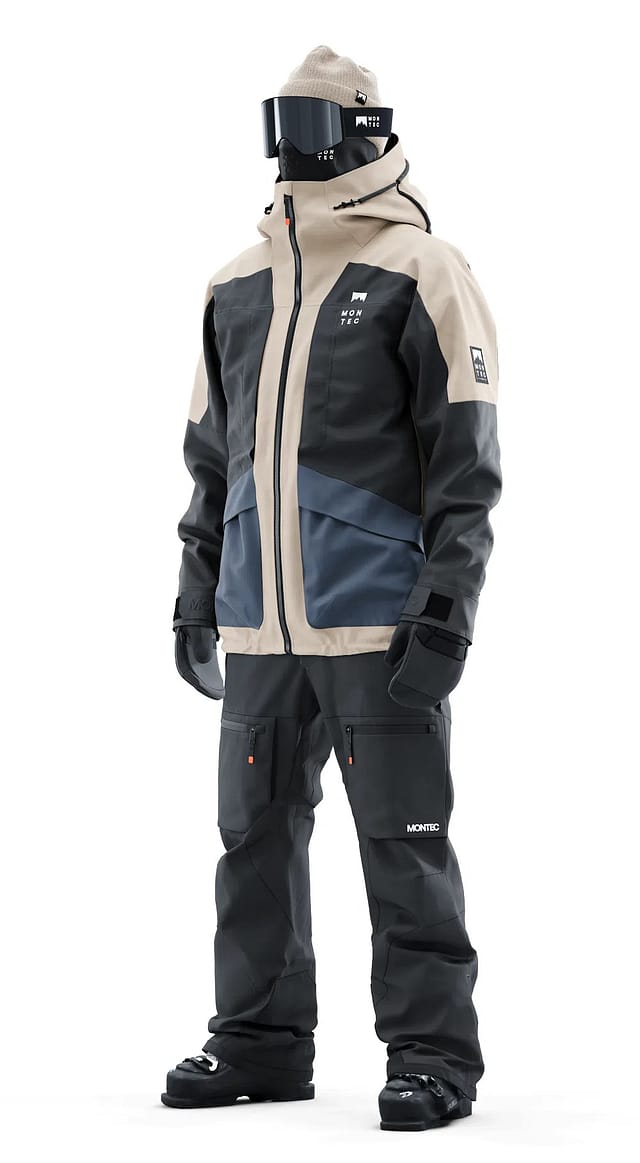
Now it’s getting cold. Brrr! When the temps are this low, insulation is a must. You’ll want to layer up properly with:
- A moisture-wicking baselayer top and bottoms (Alpha baselayers)
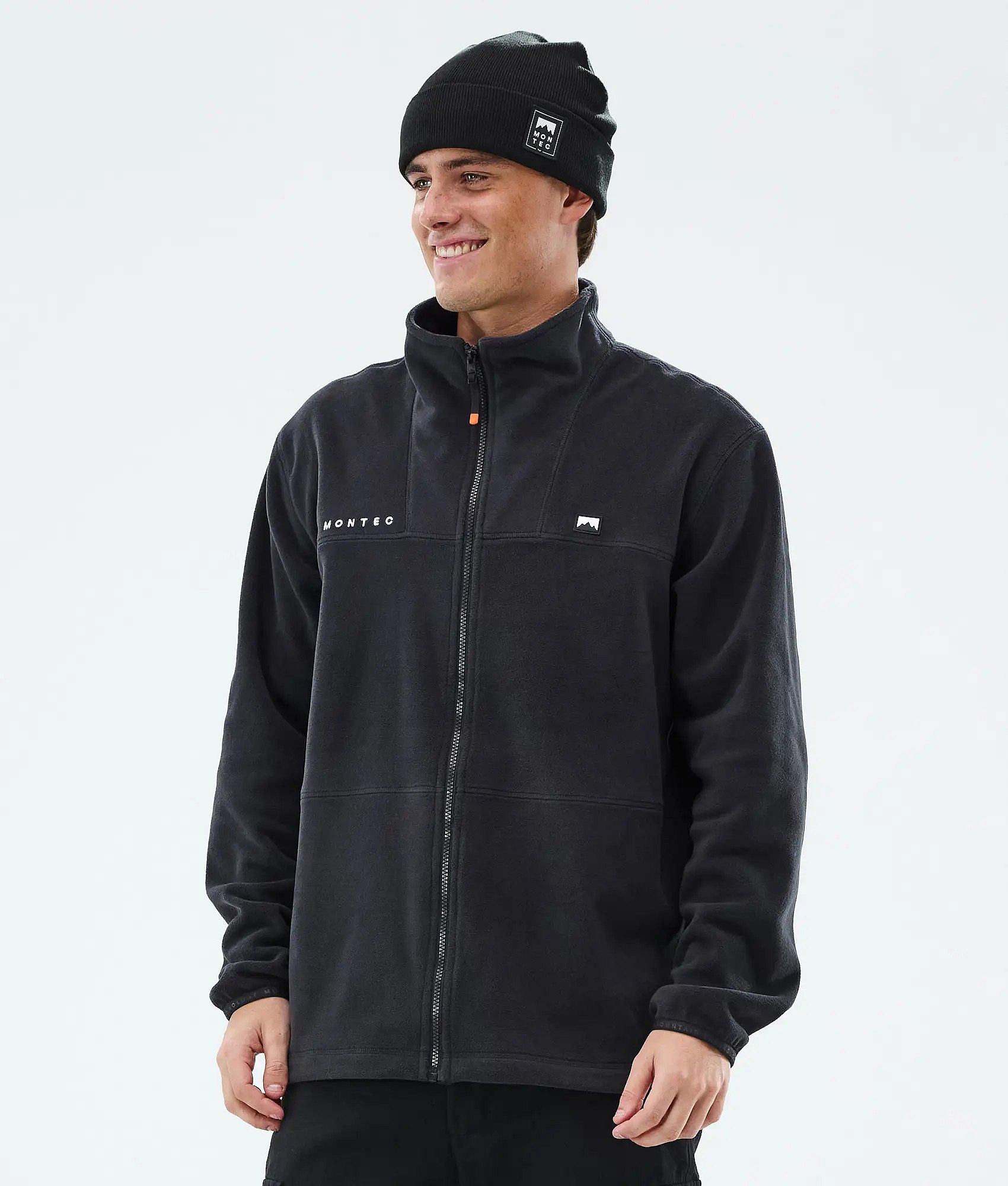
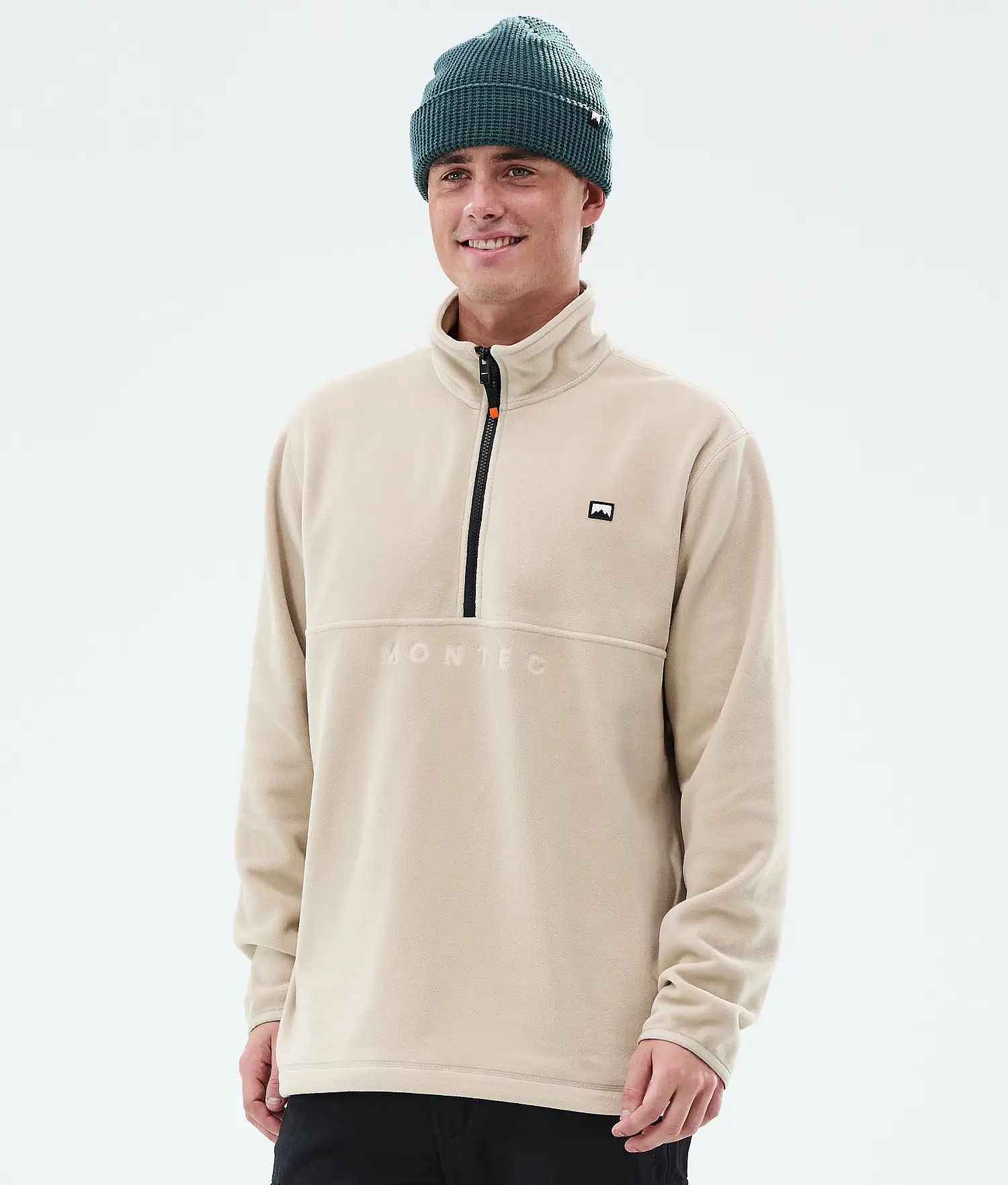
- A mid-layer fleece (Bravo or Echo)
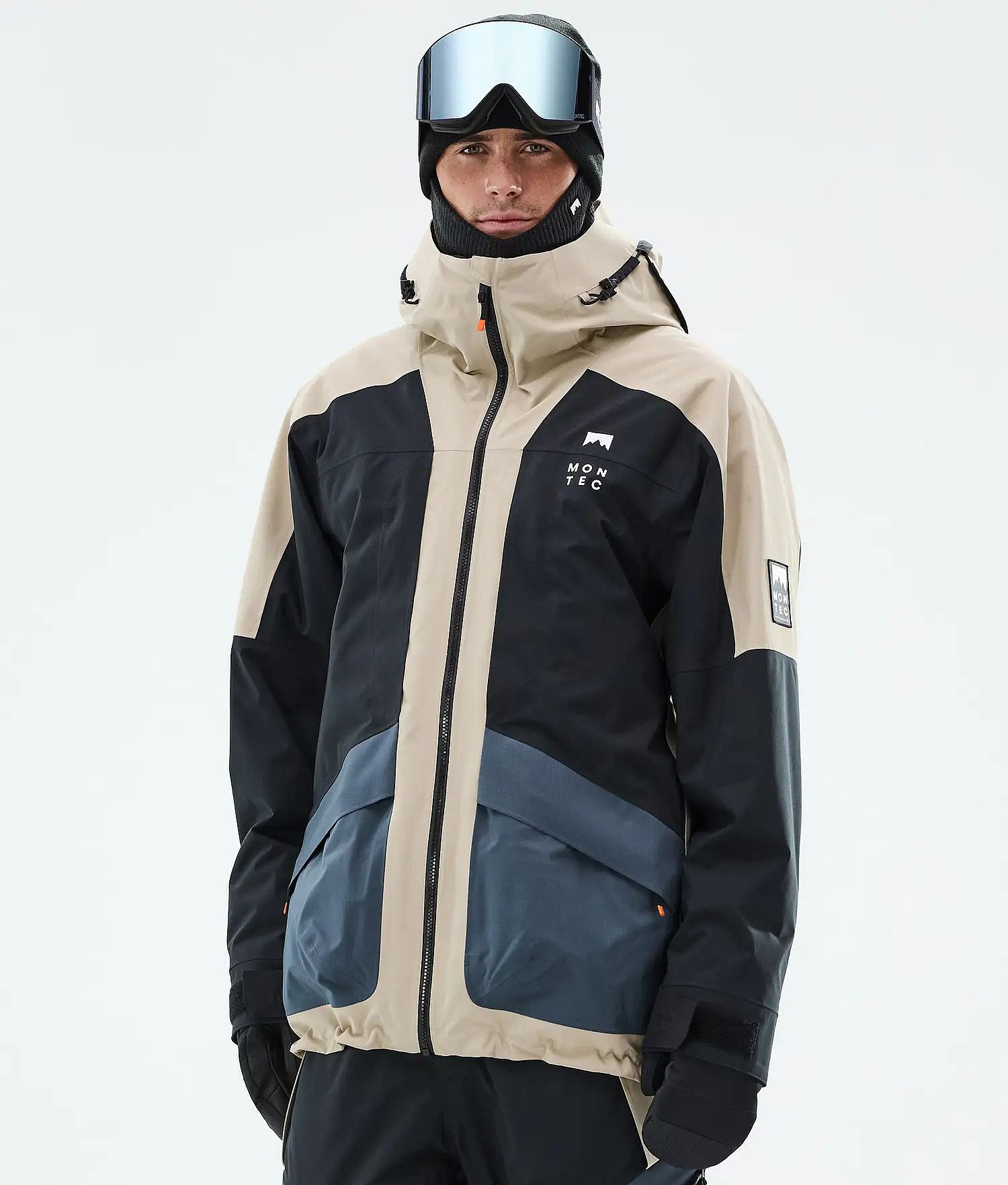
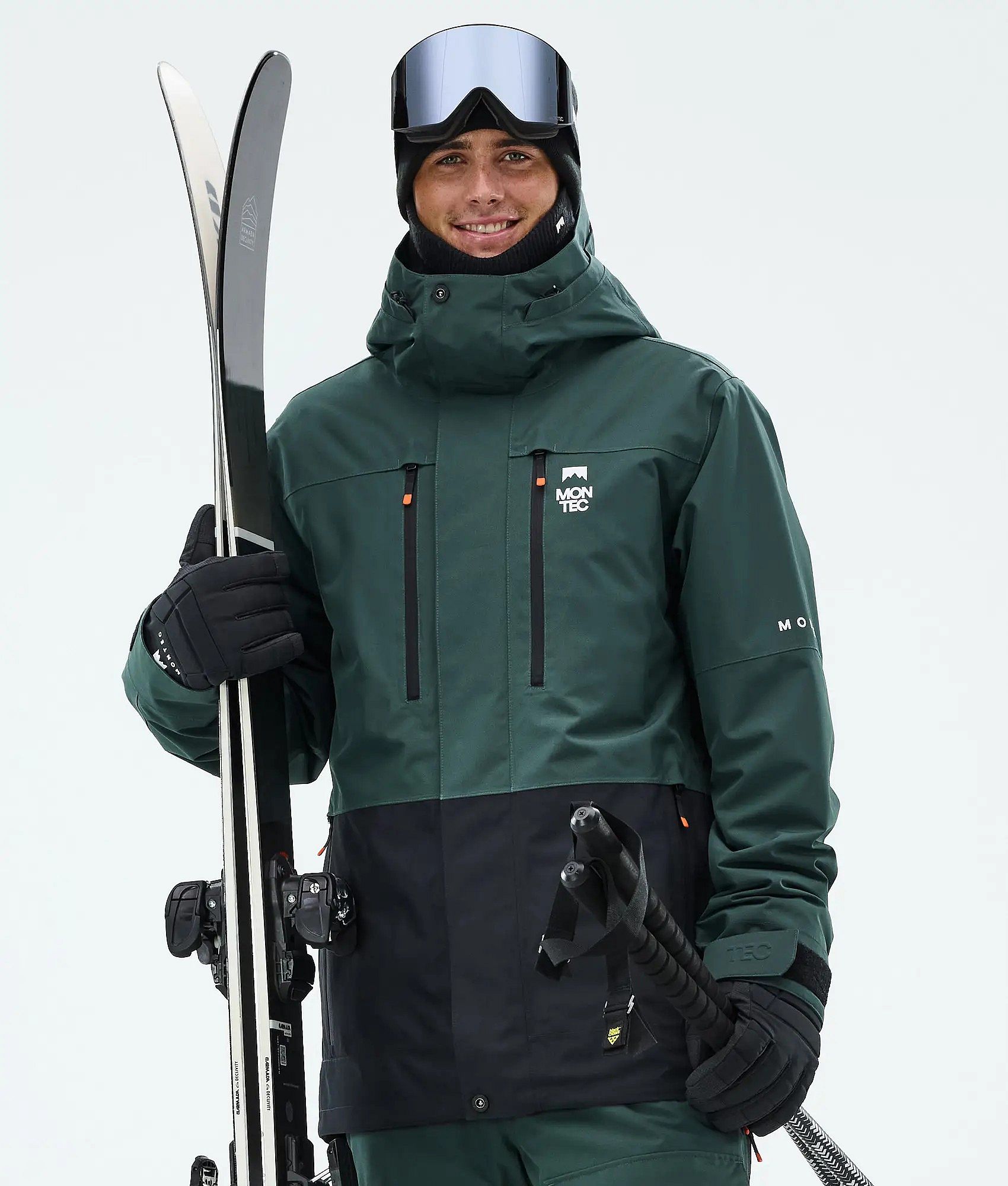
- An insulated jacket (Morpheus or insulated Fawk)
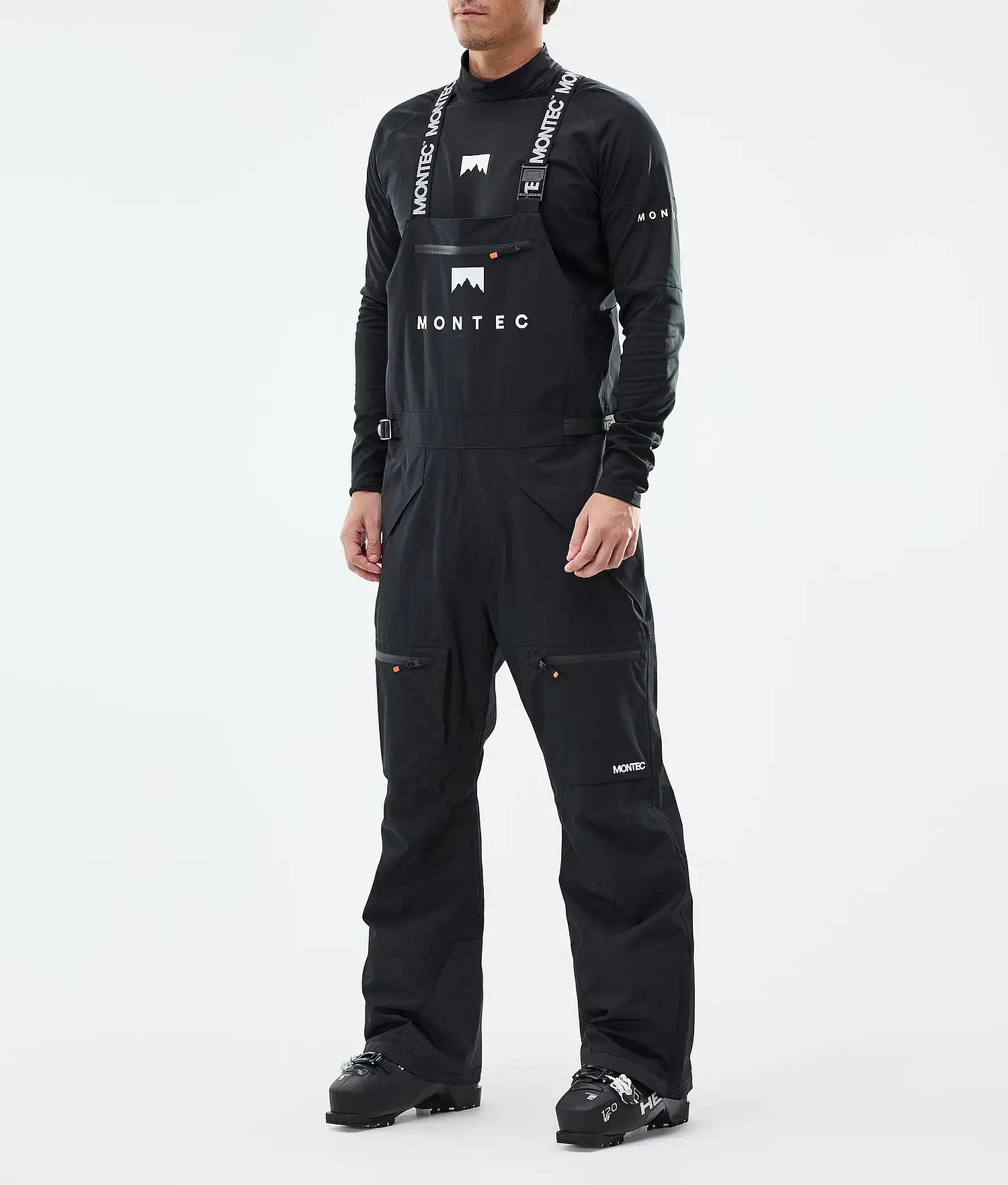
- Insulated pants (insulated Arch or Dozer bibs)
The Alpha baselayer and Bravo or Echo fleece is a super-warm combo. On top, choose the Morpheus or insulated Fawk jacket and insulated Arch or Dozer bibs for the ultimate heat-lock setup. Bibs offer another insulated layer around your core. Build your cold-weather outfit from the pieces below:
Extreme cold: below 0°F
Are you one of those die-hard riders heading out there no matter the weather? You’ll want to make sure you’re doing everything you can to keep heat sealed in. That means layers, and lots of them:
- Moisture-wicking baselayer top and bottom (Alpha baselayers)
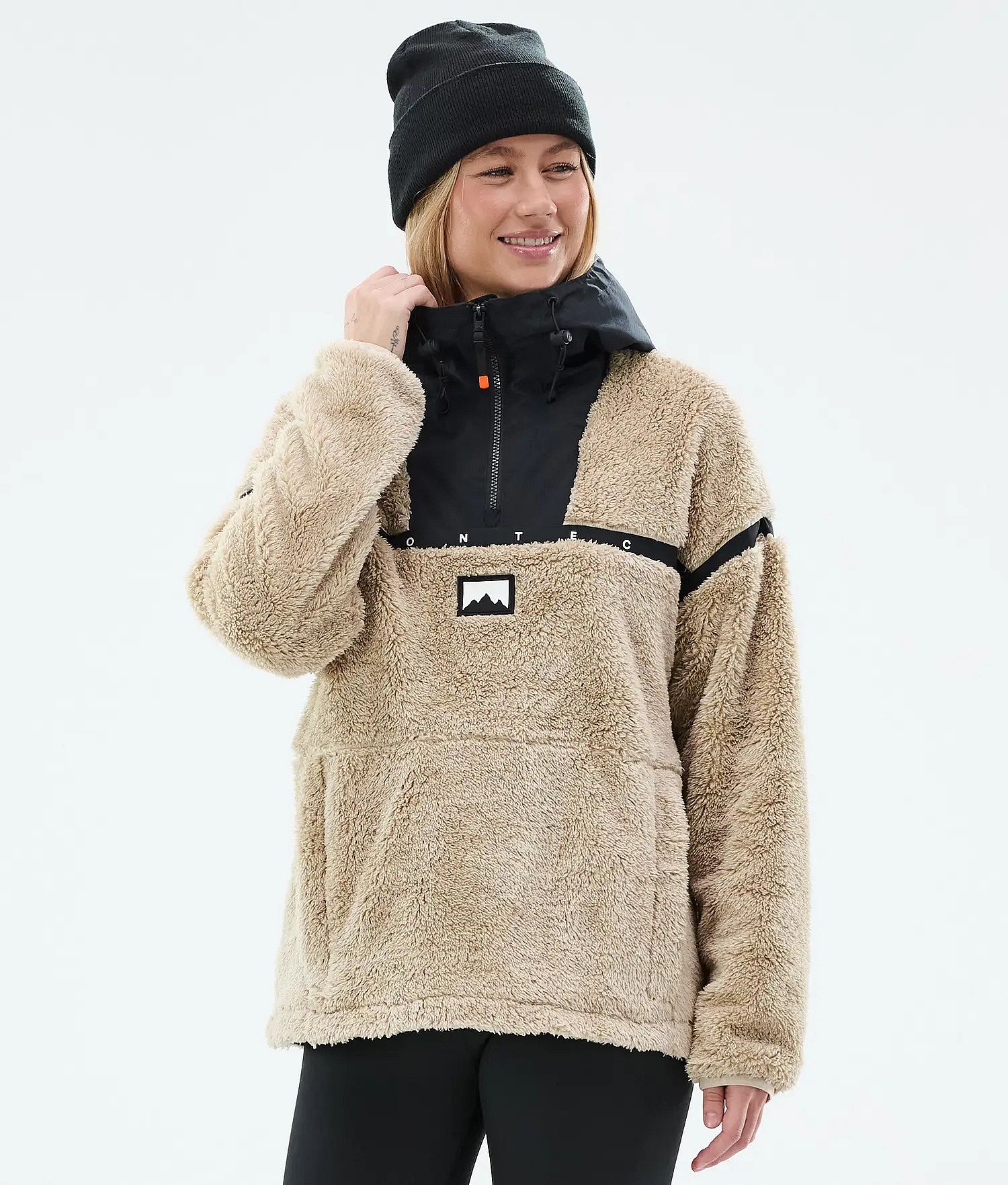
- Heavyweight fleece (Uniform)
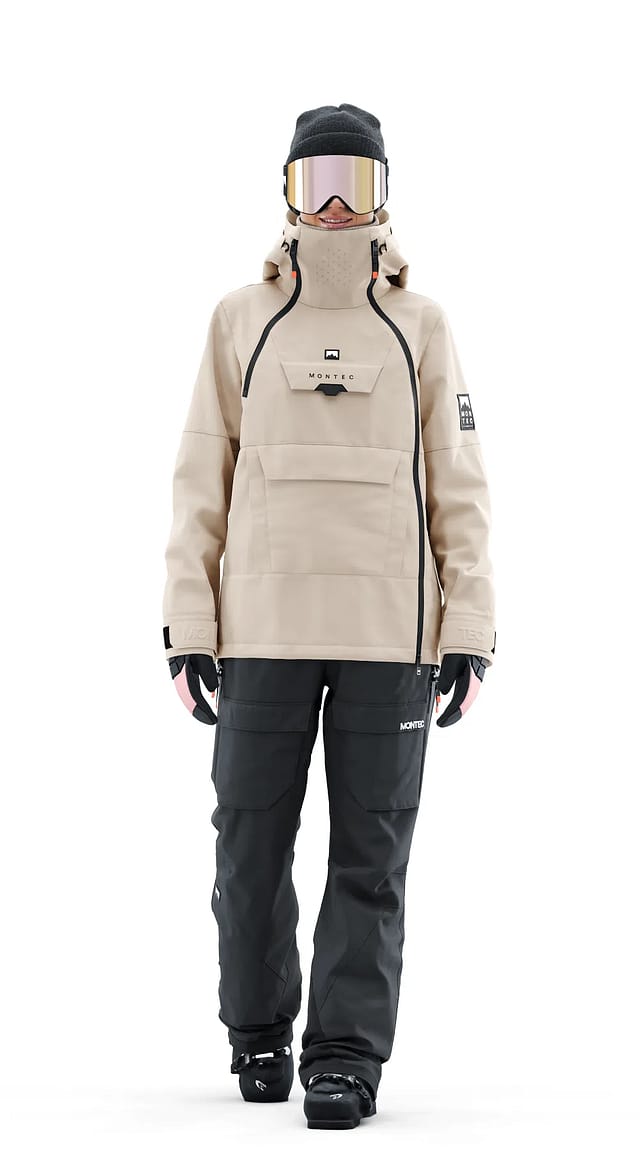
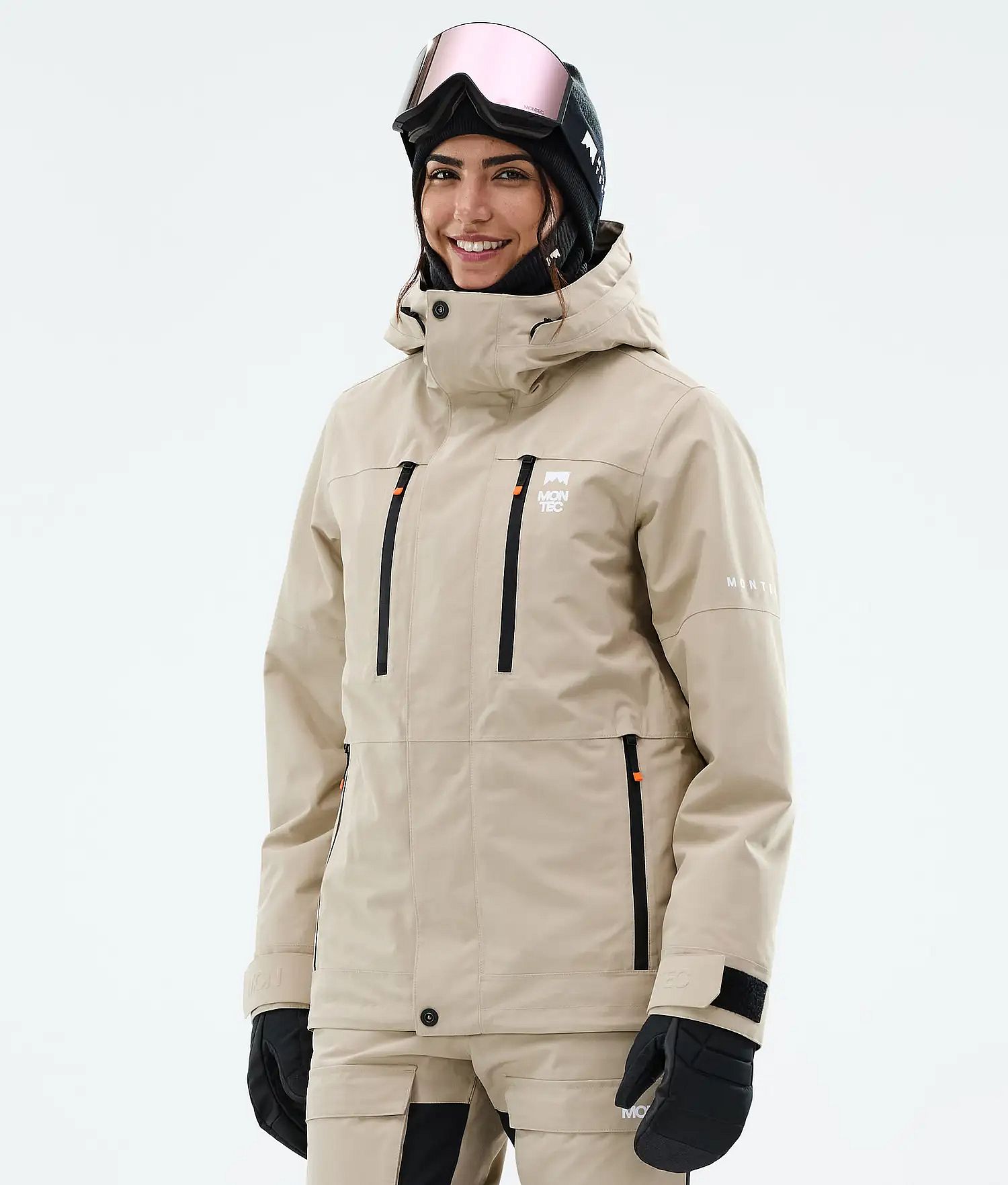
- Insulated jacket (insulated Doom or insulated Fawk)
- Insulated pants (insulated Fawk or Dozer bibs)
Start with the Alpha and then pair your baselayers with our heavy Uniform pile fleece or a puffer jacket. Next, go for the insulated Doom or insulated Fawk jacket with the insulated Fawk or Dozer bibs. Oh, and don’t forget accessories like our Echo Tube facemask, Summit beanie and Roast mittens! Build your extreme-cold outfit from the pieces below:
How you lose heat (and how to stop it)
Remember science classes? Your body loses heat in four ways: convection (heat through air), conduction (heat through contact), radiation (heat radiating off you), and evaporation (sweat drying off your skin).
Good news, layering handles all four. Trapped air in your jacket stops convection. Insulation between you and that icy chairlift seat blocks conduction. Multiple layers cut radiation. And the big one for skiers? Evaporation. That's why moisture-wicking baselayers matter. They pull sweat to the outer fabric so it dries from there, not from your skin. Skip that step and you'll cool off fast.
Tips for staying warm
The right gear does most of the work, but these small habits are what separate a warm day from a cold one:
- Stay dry. Wet skin loses heat around 25 times faster than dry skin, and evaporating sweat speeds that up even more. So while staying warm is imperative, being dry is more important.
- Don't overdress at the start. It's better to start slightly cool and warm up after the first run than to start cozy, sweat, and freeze later. Vent jacket pit-zips the moment you feel a hot flush coming on. Once you're wet, it's too late.
- Keep moving. Sure, you’ll want to rest after multiple laps. But don’t forget to promote blood circulation during unavoidable stationary moments (like the chairlift ride back up). Wiggle those toes or get animated with your hands when explaining the epicness of your last line.
- Wear moisture-wicking baselayers. These keep you cool enough not to sweat and warm enough not to freeze. It’s all about finding the balance.
- Cinch your jacket hem, tuck your baselayer top into your pants, and close your snow skirt. These small things help improve layering efficiency (meaning you can wear fewer layers and stay just as warm).
- Protect your head and hands. They're usually the most exposed parts of your body, with lots of blood vessels close to the surface, so they're the first to feel the cold. Wear a beanie at après (and a helmet when riding), plus gloves or mittens to cover those fingers.
- Mind the wind chill. Strong wind can knock the feels-like temperature down a whole tier, so check the forecast and layer up accordingly. Then seal openings with a facemask and a jacket with wrist gaiters.
Wrapping up
Well, that’s it! Hopefully, you’ve now got a pretty cool idea of what you need to wear depending on the temperature. If you need more help, hit us up at crew@montecwear.com, and we’ll be happy to guide you through any other questions you have.