The best ski resorts in Japan: Guide with freeskier Zach Munro
Want to head to the powder capital of the world? Then strap in to our guide to the best ski resorts in Japan, with insights from MONTEC rider and FIS judge Zach Munro.
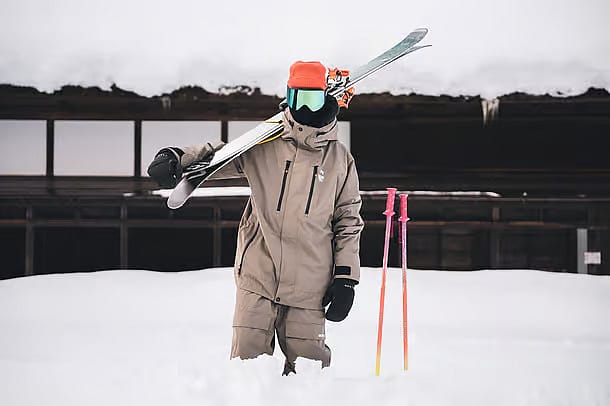

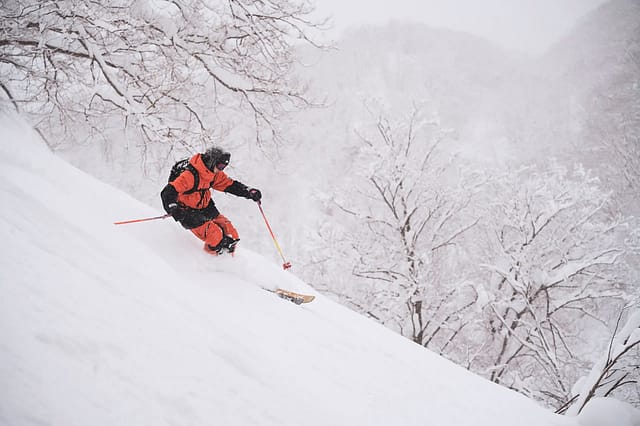
I’ve traveled all over Japan, riding more than 40 resorts around the country. And I’m putting all of that knowledge together right here with MONTEC, making the ultimate guide to Japan’s best skiing spots. Ready for the trip of a lifetime?
Japan ski areas worth visiting
Resorts at a glance
Japan ski resorts map
Zach’s resort picks
More resorts to consider
Best time to go: Zach’s advice
Zach’s Japan trip tips
FAQs
Resorts at a glance
I feel very fortunate to have ridden about 40 resorts so far across central Honshu, Tōhoku, and Hokkaido. Some of the best places are hidden and tucked away, but there are plenty of amazing resorts that are super accessible for visitors, too.
Japan ski resorts map
Zach’s resort picks
The picks below are my two favorite places to ride in Japan. So if you’ve only got one chance to get out there, choose one of these amazing places.
Nozawa Onsen Ski Resort

- Stats: 36 trails, 45 feet/14 meters of annual snowfall
- Nearest airport: Tokyo Haneda Airport, 2-hour train transfer via Hokuriku Shinkansen to Iiyama, or 5-hour direct shuttle
- Best for: Blower pow, traditional onsens, and authentic Japanese feel
Nozawa Onsen is my number one. The expansive terrain, onsen, and village community and culture all feel connected in the most beautiful way, rather than just being a resort built for tourists. Ride blower pow all day long, soak your sore body in centuries-old public baths, then tuck into a cozy izakaya before sending it at karaoke.
Primary caveat: please just follow local customs, learn how to use an onsen, practice some Japanese, and remember that people actually live there. The locals are a huge part of what makes Nozawa so incredible, and being genuine and thoughtful goes a long way.
Hakuba Valley
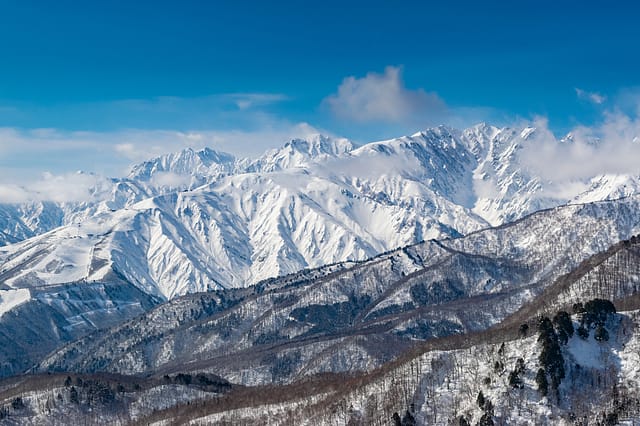
- Stats: 118 trails, 49 feet/15 meters of annual snowfall
- Nearest airport: Tokyo Haneda Airport, 4.5-hour direct shuttle
- Best for: Expansive terrain, long groomers, and big parks
The valley, beautifully situated in the heart of the Japanese Alps, has 10 different resorts, many of which are absolutely world-class and some of the biggest the country has to offer.
There’s a huge range of terrain: long ripping groomers, massive parks and pipes, mellow tree riding, proper alpine lines, and enough variety to keep you busy for a full trip. Hakuba Valley is also a pretty easy reach from Tokyo, with tons of accommodation, food, and nightlife options once you’re there, making it a great option for families and small groups.
More resorts to consider
Zach’s experience is insane, and his recs are top-drawer. We sat down with him and swapped war stories for what felt like days, and it helped us remember all our favorite picks, too. So if you’ve already hit Hakuba Valley or Nozawa Onsen, check out our extra picks!
Niseko United
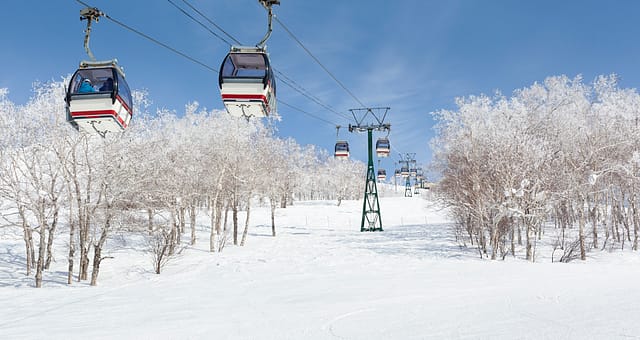
- Stats: 82 trails, 49 feet/15 meters of annual snowfall
- Nearest airport: New Chitose Airport, 3 hours via resort express bus or JR train
- Best for: Legendary Japow, vast tree runs, and vibrant nightlife
If you’ve ever scrolled through photos of waist-deep Japow, chances are you were looking at Niseko United. Located on Hokkaido’s Mount Niseko Annupuri, this bucket-list destination combines four interconnected resorts under one lift ticket. It’s easily Japan's most famous resort, and one of the snowiest ski resorts in the world, offering over 49 feet (15 meters) of annual snowfall alongside world-class tree skiing and floodlit night riding. What we love most is how approachable Niseko feels for international visitors without losing its mountain magic. Spend your morning ripping through powder-choked glades in Niseko Hanazono, then cap off the day soaking in natural hot springs and enjoying incredible food. Zach’s take is more measured, though: Niseko is epic, but busy, expensive, and not where he’d spend the whole trip.
Rusutsu Resort
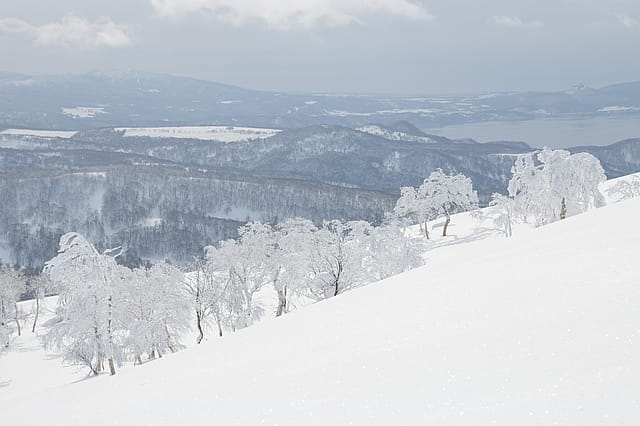
- Stats: 37 trails, 43 feet/13 meters of annual snowfall
- Nearest airport: New Chitose Airport, 2 hours via resort shuttle or private transfer
- Best for: Steep fall-line glades, deep powder, and family-friendly attractions
Sitting in the shadow of Mount Yōtei, Rusutsu Resort is our top recommendation for riders seeking pure powder perfection. Averaging over 43 feet (13 meters) of light snow across three peaks, this Hokkaido paradise is stacked with steep fall-line pitches, natural terrain features, and wide-open glades that hold untracked lines long after a storm. Beyond the riding, Rusutsu offers a unique resort layout with ski-in/ski-out hotels, incredible dining, and even an indoor carousel. Rusutsu is far less crowded than neighboring resorts, making it our ultimate pick for slashing deep powder all day without lift lines, so long as you know how to ski in powder.
Furano Ski Resort
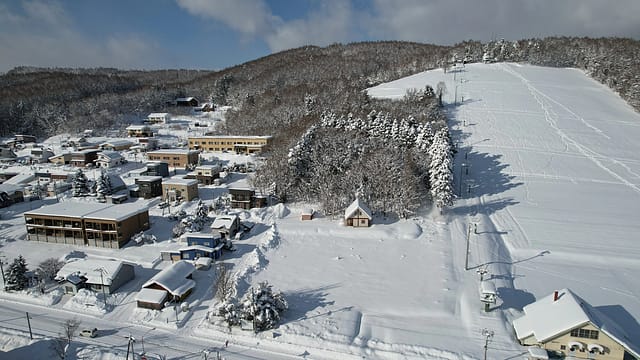
- Stats: 28 trails, 30 feet/9 meters of annual snowfall
- Nearest airport: Asahikawa Airport, 1 hour via bus or drive
- Best for: Light dry powder, long vertical drops, and bluebird days
Nestled in central Hokkaido within Daisetsuzan National Park, Furano Ski Resort is an incredible choice for riders who want cold, dry snow and frequent bluebird days. Located inland, this resort receives exceptionally light, fluffy powder, along with 2,700 feet (823 meters) of vertical drop and long, sweeping groomers. Furano maintains an authentic Japanese town feel while delivering world-class infrastructure, including one of the country's fastest cable cars. Advanced skiers can duck into steep off-piste glades, while cruisers will love the wide, pristine trails. If you want top-tier snow quality, fewer crowds, and genuine mountain charm, Furano is a total winner.
Myoko Kogen
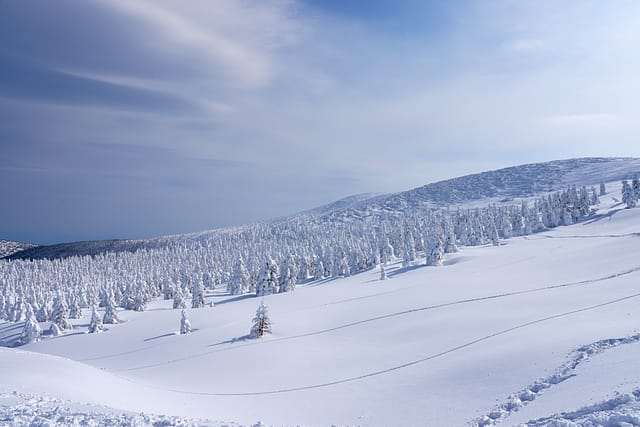
- Stats: 50+ trails, 42-55 feet/14-17 meters of annual snowfall
- Nearest airport: Haneda Airport/Narita Airport, 2.5 hours via Shinkansen to Nagano/Jōetsumyōkō and a local train
- Best For: Massive snowfall totals, steep ungroomed runs, and traditional village vibes
Located just two and a half hours from Tokyo in Niigata Prefecture, Myoko Kogen is one of the easiest places to chase massive snowfall totals ranging between 42 and 55 feet (17 meters) annually. This traditional valley features nine distinct resort areas, offering everything from steep, ungroomed chutes at Seki Onsen Ski Resort to endless cruiser laps at Suginohara Ski Resort. What makes Myoko so special is its authentic village charm, packed with family-run izakayas, historic onsens, and warm local hospitality. This is the ultimate base camp for powder hounds looking to slash chest-deep snow by day and immerse themselves in traditional culture by night.
Shiga Kogen
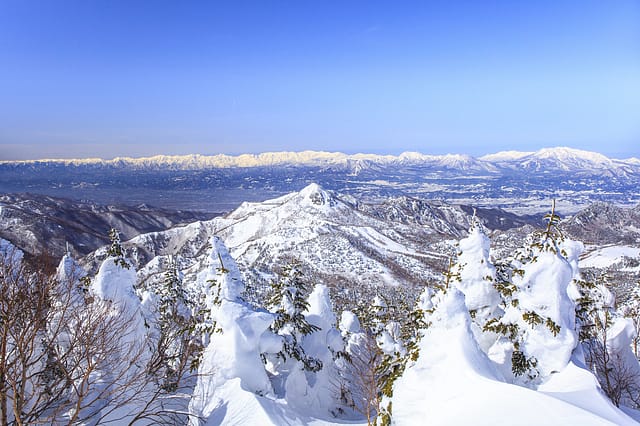
- Stats: 81 trails, 32 feet/10 meters of annual snowfall
- Nearest airport: Haneda Airport/Narita Airport, 1.5 hours via Shinkansen to Nagano and a 70-minute bus
- Best for: High-altitude skiing, vast interconnected resorts, and reliable snow quality
As the largest interconnected ski area in Japan, Shiga Kogen is a sprawling alpine paradise in the Nagano region. Packing 17 individual resorts onto a single lift ticket, Shiga Kogen provides endless terrain variety across miles of varied runs. Because the peaks reach over 7,500 feet (2,286 meters), the snow stays light, cold, and preserved for days. Shiga Kogen is ideal for adventurers who love racking up distance while exploring new slopes every day. The resort retains a classic Japanese feel, with cozy hot spring hotels dotted throughout the mountain valleys, offering a truly expansive riding experience.
Appi Kogen Ski Resort

- Stats: 21 trails, 26 feet/8 meters of annual snowfall
- Nearest airport: Iwate Hanamaki Airport, 1.5 hours via shuttle or drive
- Best for: Ultra-dry and fluffy snow, long and groomed cruisers, and luxury resort amenities
Situated in northern Honshu’s Tōhoku region, Appi Kogen Ski Resort is famous for its exceptionally fine, dry snow, affectionately dubbed "aspirin snow." Spanning 850 acres across three peaks, this polished resort provides long, impeccably groomed runs for high-speed carving, dedicated powder zones, and the famous "Magic Forest" tree trails. We recommend Appi Kogen for anyone looking for a full-service, luxury resort experience in a beautiful alpine setting. With international ski schools, guided Cat skiing tours, and luxury slopeside accommodation, this resort combines premium comfort with serious riding, proving you don't have to sacrifice high-end amenities to chase pristine powder.
Zao Onsen Ski Resort
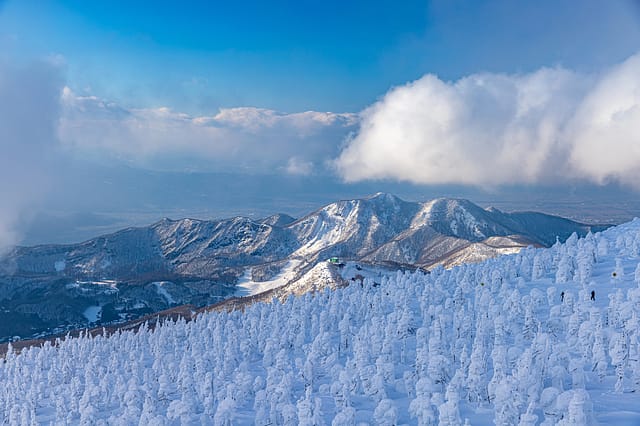
- Stats: 36 trails, 39 feet/12 meters of annual snowfall
- Nearest Airport: Yamagata Airport, 45 minutes via bus or drive
- Best For: Famous “Snow Monsters” (Juhyo), historic thermal springs, and scenic high-alpine runs
For a truly surreal winter experience, Zao Onsen Ski Resort in Yamagata Prefecture belongs on every skier's radar. This spot is famous for its iconic "Juhyo" (Snow Monsters), heavily frozen fir trees shaped by Siberian winds. Riding past these massive frozen figures through nearly 40 feet (12 meters) of annual snowfall is unforgettable. Beyond its high-alpine scenery, Zao Onsen is anchored by a 1,900-year-old hot spring village brimming with traditional steam baths and historic charm. The terrain offers a fantastic mix of wide beginner slopes, long summit-to-base cruisers, and steep mogul fields, making it the ultimate destination for combining scenic riding with authentic thermal baths.
Best time to go: Zach’s advice
“Japanuary”: mid to late January to early February is usually the best balance of consistent snowfall, cold temperatures, and enough base to properly explore over the folded-down Kumazasa. Expect storm riding, flat light, and your tracks to disappear overnight instead of seven straight days of bluebird powder photos.
That being said, the weather and snow are never a guarantee. Oh, and if you’re bringing hard goods, use takkyūbin for your bag (Japan’s premier door-to-door luggage delivery service)! Lugging your skis around busy train lines and buses is a royal pain and a cultural no-go. If you have the space, bring a compact boot/glove dryer. Japan is humid, drying rooms get chaotic, and putting wet boots on at 7 AM makes for a rough start! Also, don’t bring hand or toe warmers. Buy better ones from the konbini for cheaper.

Zach’s Japan trip tips
Most guides treat Japan like a powder product and completely miss the point. The riding can obviously be phenomenal, but it’s still a game of chance to get that great snow. You may miss a powder window, or you may be there during a low tide period. You just have to grapple with that reality and be willing and ready to enjoy the experience for what it is. Slush is awesome. Groomers still rule. Riding with friends is one of the greatest joys on earth. And some of the best times you’ll have will be off the snow anyway.
The small interactions, food, language, and local routines are what make the trip memorable. My pick is always the tiny izakaya over the big ramen shop. And don’t be afraid to get adventurous with what you eat. Dive into some takowasa, sazae, or uni. Also, wash and rinse properly before entering an onsen! Keep your towel out of the water, and you have to be naked, of course.
FAQs
Got burning questions about booking your dream trip to Japow? We’ve rounded up answers to the most frequently asked questions to get you ride-ready.
Is Hakuba or Niseko better?
According to Zach, while Niseko is an awesome spot, “I wouldn’t say to necessarily skip Niseko completely, but I wouldn’t make it the whole trip. It’s epic, no doubt. But it’s also mega-busy, expensive, and can feel more like an international ski town than Japan, sometimes!” With that in mind, Hakuba offers bigger vertical, steeper alpine terrain, and 10 distinct resorts in one valley, making it the top choice for steep-and-deep hunting on Honshu.
When is the best month to ski in Japan?
January and February are the ultimate peak months for chasing Japow, as cold Siberian storms dump light, dry snow almost daily. If you prefer warmer temperatures, bluebird skies, and lighter crowds, March offers awesome spring skiing across higher-altitude peaks.
Where is the best powder skiing in Japan?
Hokkaido resorts like Niseko, Rusutsu, and Kiroro are world-famous for incredibly light, dry snow that falls nonstop throughout the winter. Over on Honshu, resorts including Lotte Arai and Seki Onsen in Niigata catch massive storm totals topping 50 feet (15 meters) annually.
What is the best Japan ski resort for a first trip?
Niseko United is the absolute easiest choice for your first trip thanks to English-speaking ski schools, great Western amenities, and seamless airport transfers. Hakuba Valley is another top pick if you want a direct, stress-free train connection straight from Tokyo.
Do I need to rent a car for Japan ski resorts?
You don’t usually need to rent a car, as Japan’s Shinkansen bullet trains and resort express shuttles make getting to major mountains completely hassle-free. However, renting a car is handy if you’re staying in Myoko Kogen or road-tripping to off-the-beaten-path powder stashes across Hokkaido.
How do I travel with skis in Japan?
The best way to travel with heavy ski gear is using local luggage-forwarding services, such as Yamato Transport (the “Black Cat” service). You can drop your ski bag right at the airport terminal and have it shipped straight to your resort hotel room. Also, Zach’s tip is to use takkyūbin so you’re not lugging skis around busy train lines and buses.
What should I know about onsen etiquette?
Always wash and rinse thoroughly at the shower stations before stepping into the thermal water, and remember that swimwear is strictly forbidden. Keep towels out of the bath, tie up long hair, and check tattoo policies beforehand, as some traditional baths prohibit them.
The final drop
There you go! The ultimate guide to riding in Japan, brought to you by Zach Munro and the MONTEC team. From the bottomless powder fields of Hokkaido to the steep, storm-choked peaks and historic onsen villages of Honshu, Japan is truly a paradise for anyone obsessed with winter sports. Need a little extra advice before booking your flights? Read up on how to plan a ski trip and what to pack for a ski trip, or drop us a line at crew@montecwear.com.