What is cat skiing?
Are you at a point where riding inside the ropes just isn’t enough anymore? What if you’re always late to the party on pow days? Well, hopping on a snowcat might be the answer to your prayers. But what is cat skiing, exactly?

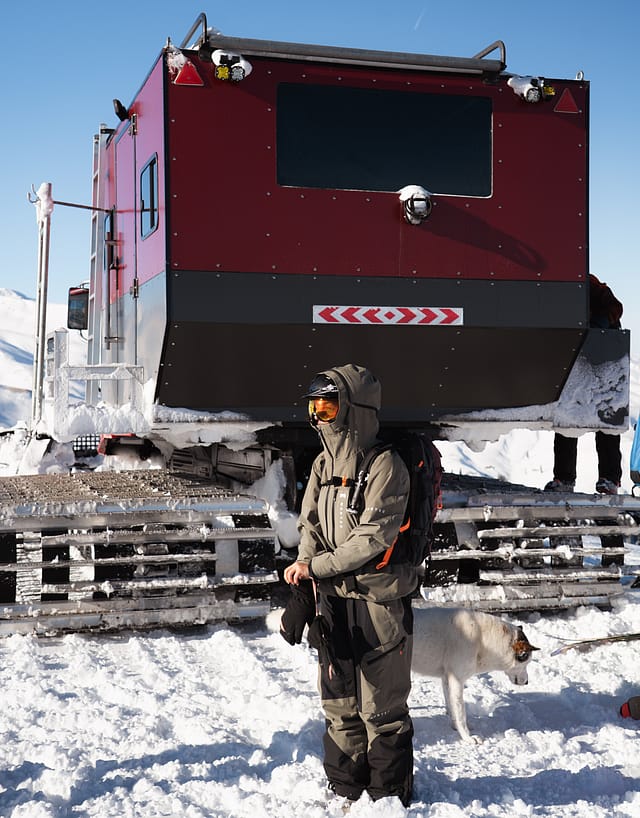
Cat skiing is one of the most rewarding experiences on the mountain – well, provided the conditions are kind! Okay, we won’t lie: it can be expensive and a little hit-or-miss. However, if you catch it right, this is the ultimate powder riding experience.
Cat skiing offers easy access to long, untouched backcountry runs without hiking for a single line! Dreamy. Just head to a lodge, hop on a cat, and be whisked up the mountain, dropped off, and then let loose. And the best part of all? When you reach the bottom, you get to do it all over again with no skinning required. Check out our full guide to get the most out of your experience. And if you’re gearing up for your next trip, explore our collections below.
Let the good times roll
What can you expect when cat skiing?
Where can you cat ski?
Who is it for?
What equipment do you need for cat skiing?
How good do you need to be?
What can you expect when cat skiing?
A typical day starts early at the lodge with safety briefings and avalanche equipment checks before loading into the snowcat. From there, it’s a cycle of traveling uphill, dropping into fresh terrain, and regrouping at the bottom before repeating. Midday usually includes a break for lunch at the lodge or in a scenic mountain spot.
During the day, most groups shred between 8 and 12 runs, depending on snow conditions, terrain difficulty, and how quickly everyone moves. Runs are usually much longer than resort trails, sometimes dropping thousands of vertical feet through untouched powder, glades, bowls, and alpine faces. Most days wrap up between 2 pm and 4 pm, leaving plenty of time to relax and relive the best turns. Many lodges have bars or social areas, too, so you can enjoy a well-deserved drink as you rest those weary legs!
Where can you cat ski?
Cat skiing started in North America and remains most popular there, particularly in Western Canada and parts of the United States. British Columbia is widely considered the spiritual home of the sport, with huge backcountry areas and reliable snowfall making it ideal for snowcat access. Alaska also offers incredible options, though its terrain is often remote and weather-dependent.
A growing number of mountain regions worldwide have also adopted cat skiing. Japan is a popular destination thanks to its famously deep “Japow” powder, while New Zealand and South America provide excellent opportunities during the northern hemisphere summer. You can also find operations in more unusual places, such as Georgia in the Caucasus Mountains, parts of India in the Himalayas, areas of the Middle East with high-alpine terrain, and Central Asian countries, including Kazakhstan and Kyrgyzstan.
Who is it for?
Cat skiing is generally aimed at strong intermediate to advanced skiers and snowboarders who want to explore terrain beyond resort boundaries. The experience is all about riding natural snow in the backcountry, so participants need to feel comfortable riding through powder, tight trees, and variable conditions. Unlike resort skiing, there are no groomed runs or clearly marked slopes, which only adds to the adventure.
This is also ideal for people who want a backcountry-style experience without the physical effort of skinning or hiking for every run. The snowcat handles the uphill travel, allowing riders to focus on the descent. If you love powder and want a guided adventure away from crowded lifts, it can be an incredible step up from traditional resort days.
What equipment do you need for cat skiing?
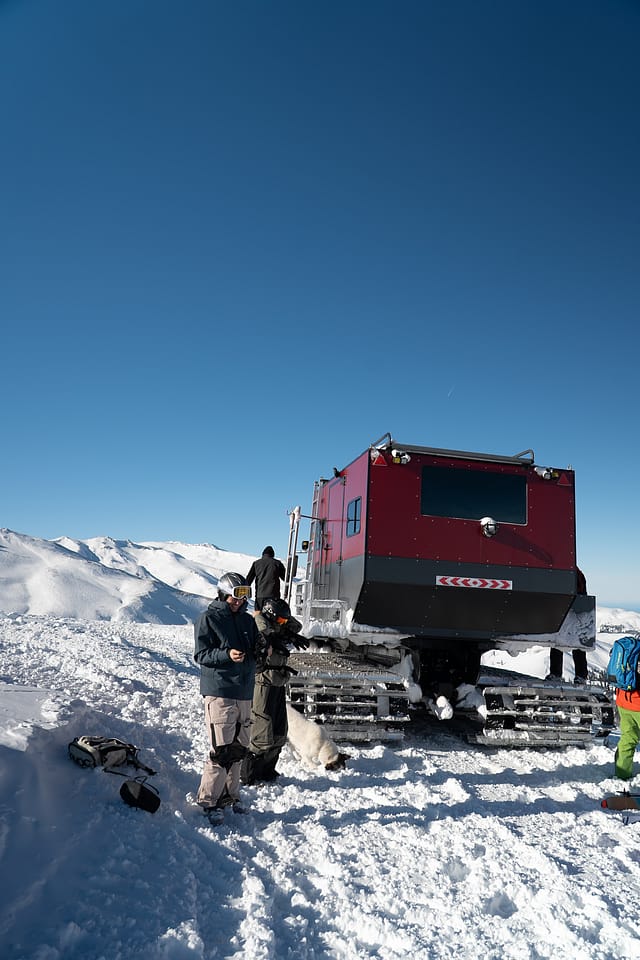
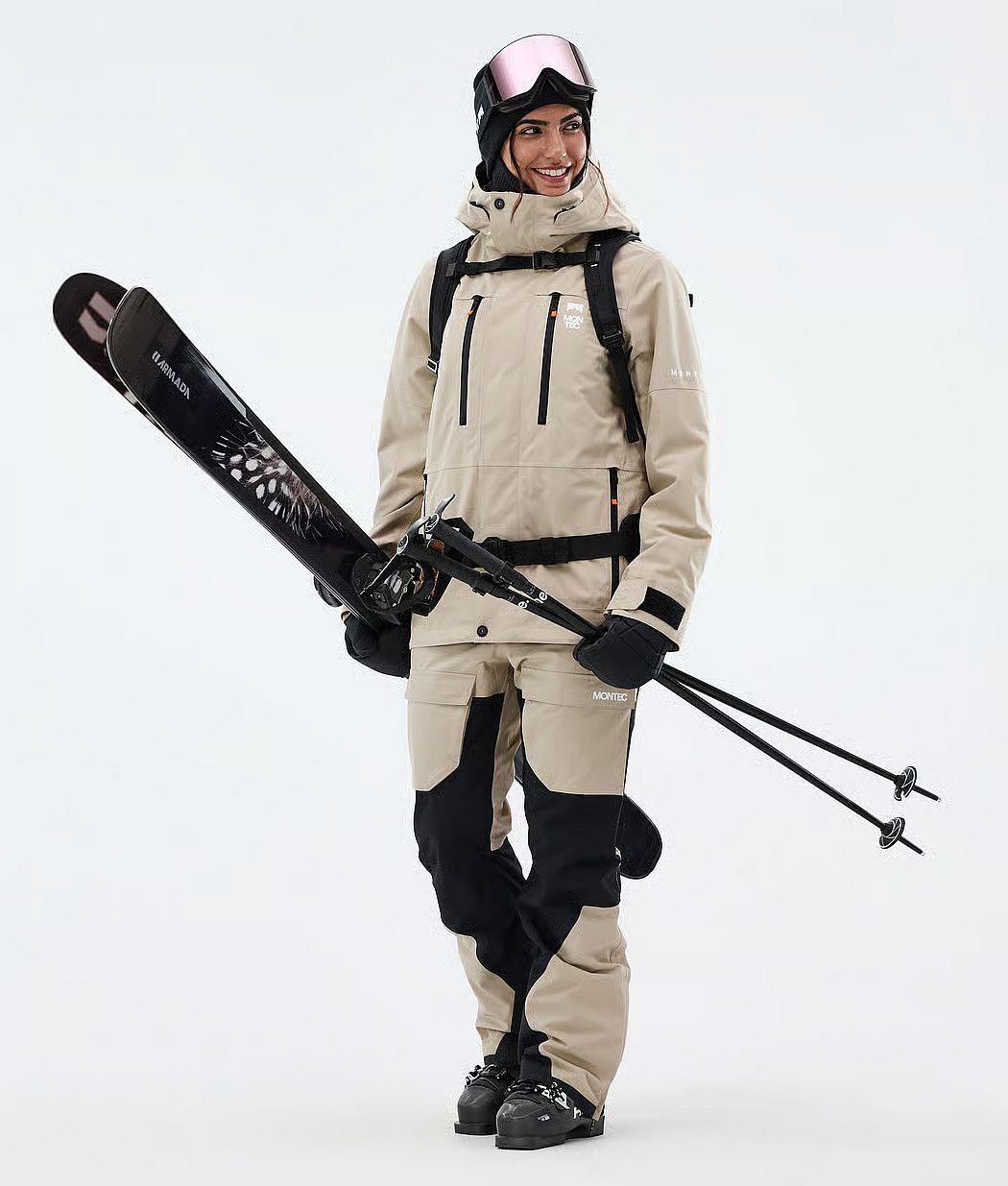
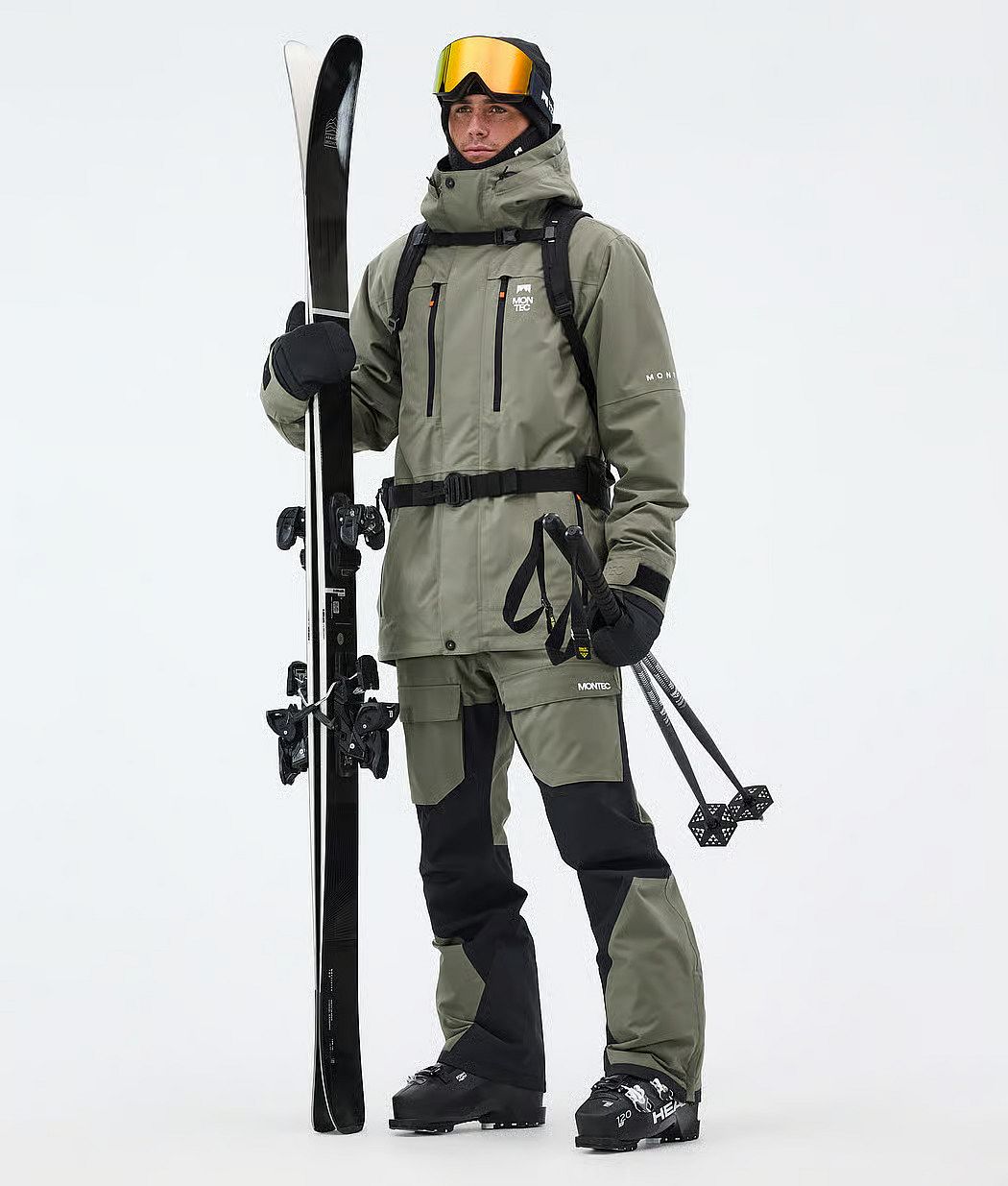
Because cat skiing typically takes place in deep, natural snow, powder-specific equipment makes a big difference. So, most riders opt for wider powder skis or snowboards designed to float easily. Comfortable, lightweight technical outerwear is also important, since you’ll spend long hours moving between the cat and the runs in changing mountain weather.
Safety equipment is another key part of the experience. Avalanche gear, including a beacon, shovel, and probe, is standard, and most operators require every guest to carry it. The good news is that many companies provide or rent this equipment. They often run a brief morning training session to ensure everyone knows how to use it properly.
How good do you need to be?
You don’t have to be an expert freerider to go cat skiing. But you do need to be confident riding off-piste. That means being comfortable with maintaining speed in powder, trees, and steeper sections, and making consistent turns in deep snow. However, many operators can run more intermediate- or advanced-focused days depending on the group level, conditions, and available terrain.
Avalanche awareness is also part of the experience. While guides manage safety and route selection, guests still need to follow instructions carefully and understand basic backcountry protocols. Most operators cover this during the morning briefing. If you’re confident in powder and eager to explore beyond the resort, you’ll have an awesome time.
Wrapping up
Cat skiing offers the thrill of untouched powder and remote mountain terrain without the need for long uphill climbs, which is why so many look forward to their next trip! While it can be expensive and conditions always depend on the weather, a good day on a snowcat is hard to beat. If you’re an adventurous skier or snowboarder chasing fresh snow, it is an experience worth adding to your bucket list.
Want to know more or need advice? Hit us up at crew@montecwear.com.
Related reading: