Ski bib vs pants: Which should you choose?
The difference between pants and bibs might seem trivial, but any lifelong skier will have a big opinion on the subject. So, which is better? We’ve got a quick-fire guide to ski bib vs pants, and we’ve lined up the answer to that exact question.

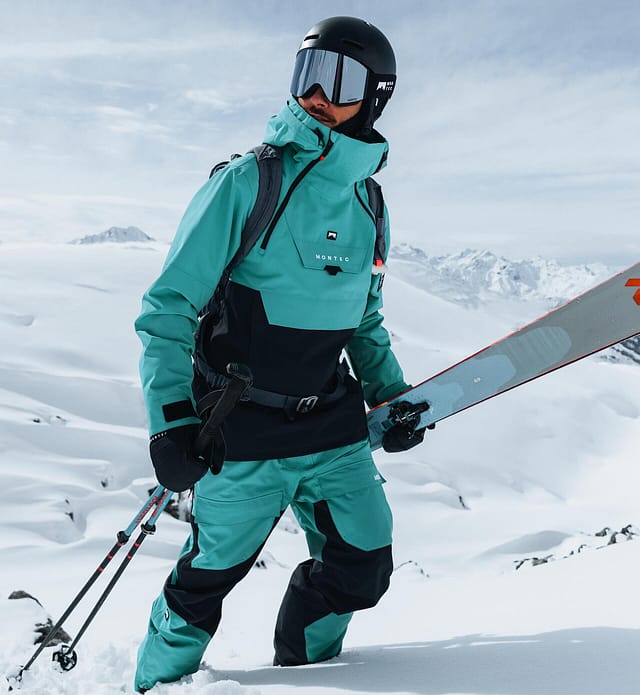
Riders often laud bibs as the more technical choice, and ski pants are seen as the simpler option. But we don’t think that’s really true. Instead, both styles have massive pros and cons. Plus, with material technology advancing as it has, there’s little to separate them in a technical sense anymore.
So where do they differ, and which should you choose? Well, that’s the exact question we’re here to answer. Ready to dig into the biggest question in ski outerwear? Then read on.
What’s the difference between ski bibs and pants?
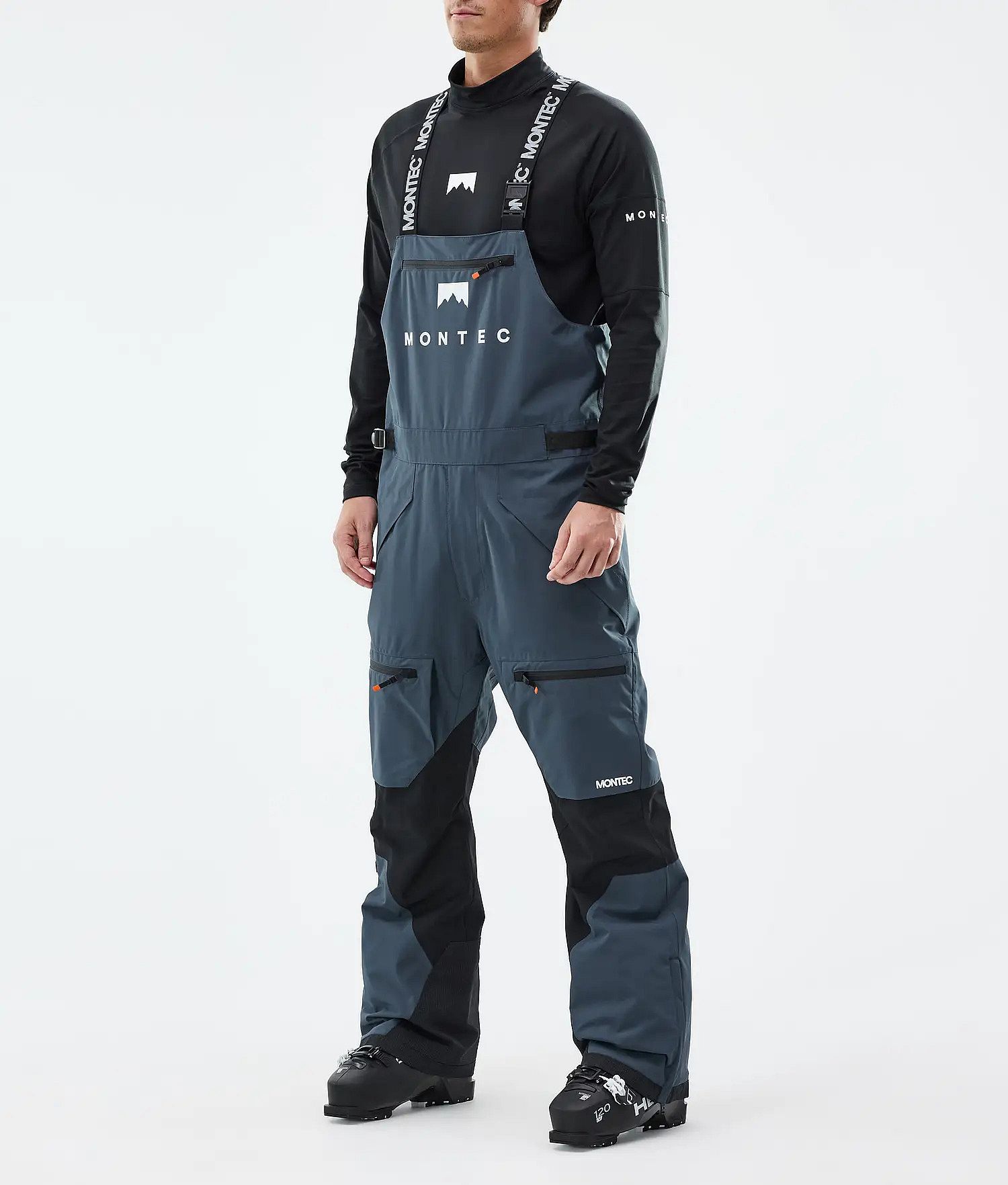
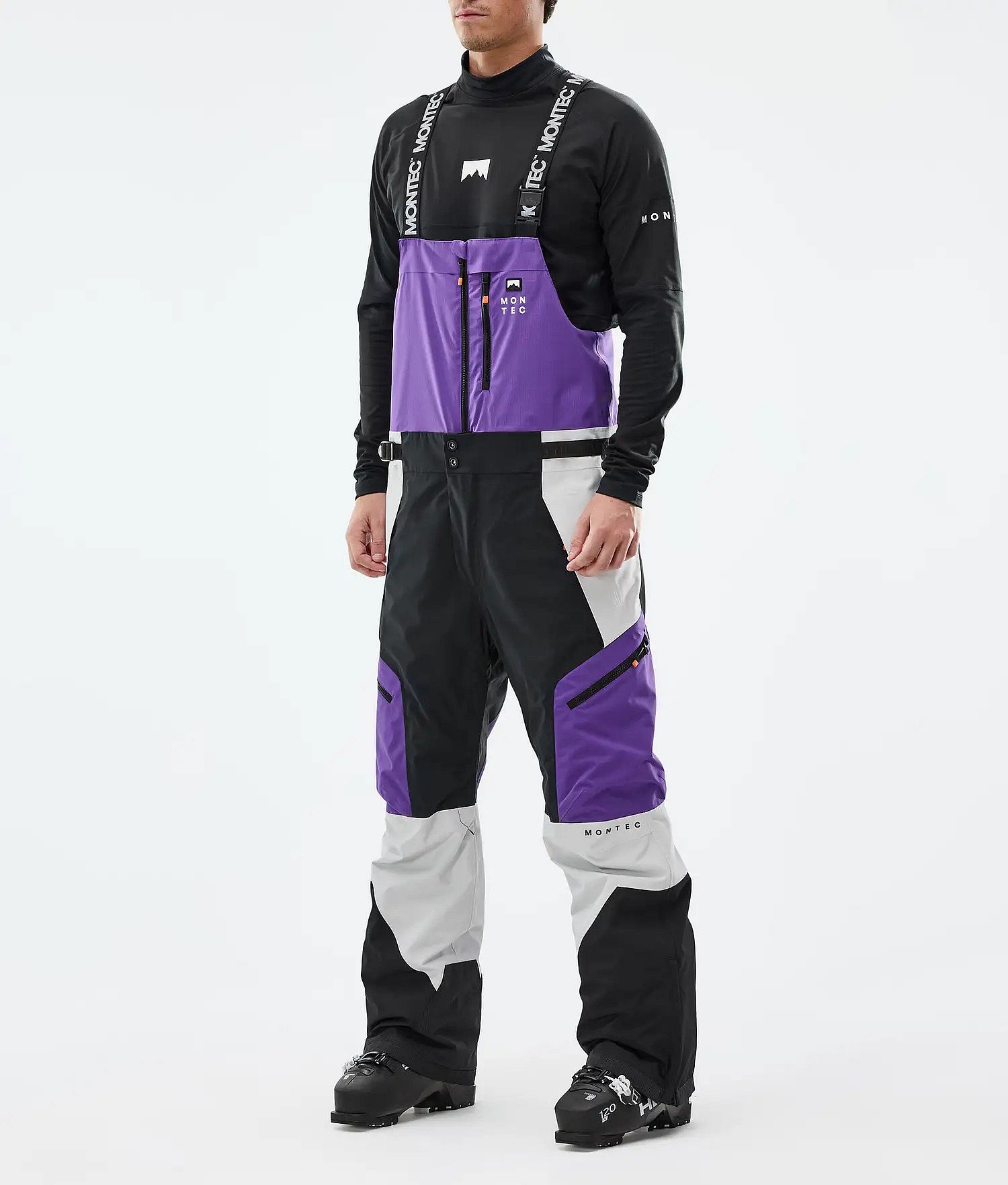
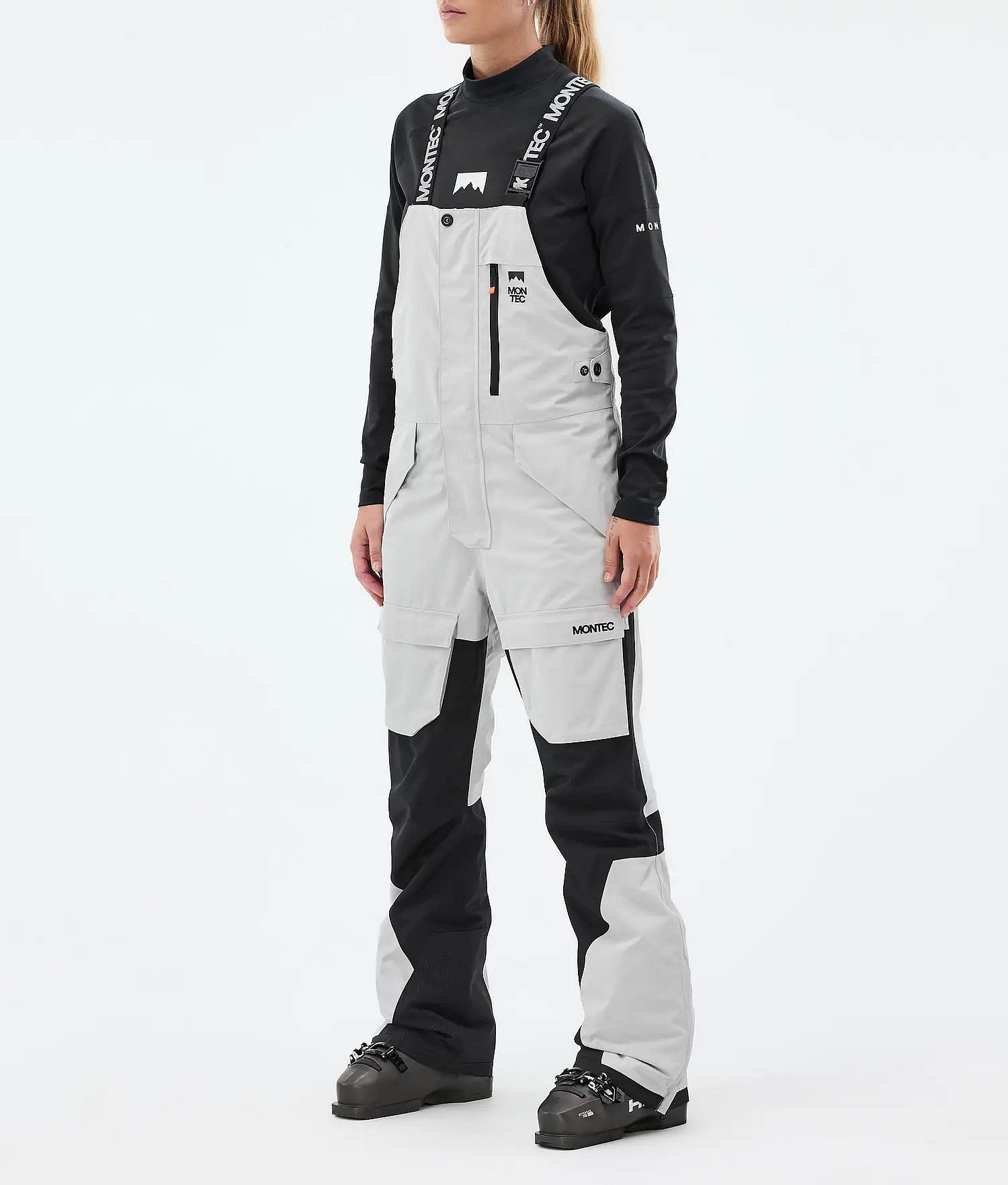
The main difference between ski bibs and ski pants is coverage. Bibs extend over your torso, like overalls, with built-in suspenders. Traditional ski pants sit at the waist like regular trousers. That extra coverage is the defining feature of bibs, and it has a big impact on how they feel and perform when on the mountain.
Because bibs seal higher up the body, they’re better at keeping snow out on deep days, especially if you fall, hike, or spend time off-piste or in powder. Ski pants, on the other hand, are simpler and more familiar. They’re quicker to get on and off, easier for bathroom breaks, and often feel lighter and less restrictive. Neither is better across the board, though. Rather, it depends on how and where you ride, and importantly, on your personal preference.
What are the benefits of ski bibs?
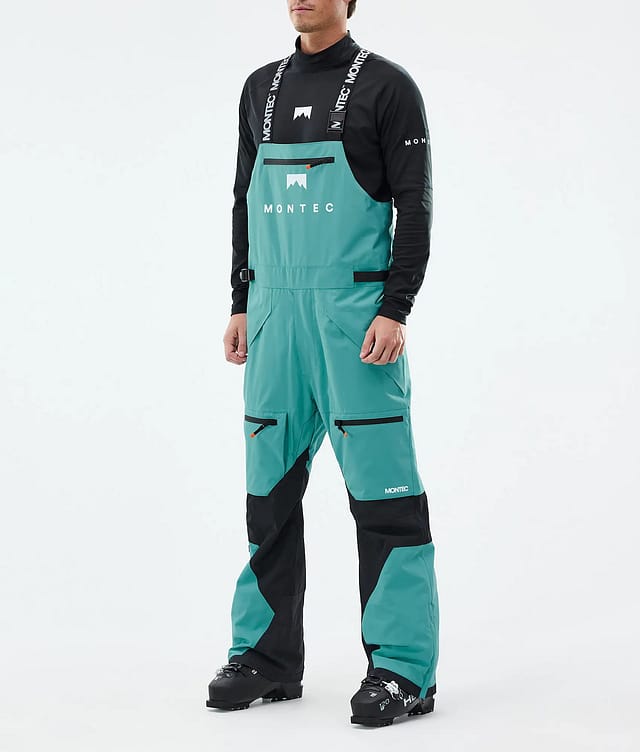
Ski bibs are designed for maximum snow protection. That high-rise construction means snow can’t sneak in at the waist, even in deep powder or during repeated falls. They also tend to stay in place better, since suspenders eliminate sagging and remove pressure points around the waist. This can be a big comfort upgrade on long days, especially if you’re already layered up with lots of fabric around your waist and hips.
Bibs usually come with extra storage too, like chest pockets for phones, radios, or snacks. These additional pockets are especially useful when not wearing a backpack. The downside is that bibs can feel warmer and more enclosed, particularly on spring days or during high-output skiing. They’re also slightly more of a hassle when it comes to bathroom breaks and layering (deciding what goes under and what goes over), which is worth considering if convenience is high on your priority list.
What are the benefits of snow pants?
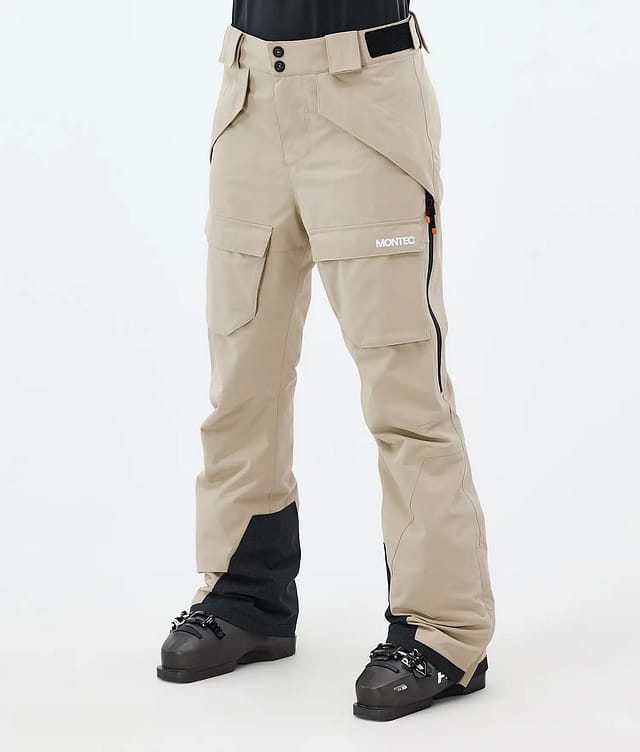
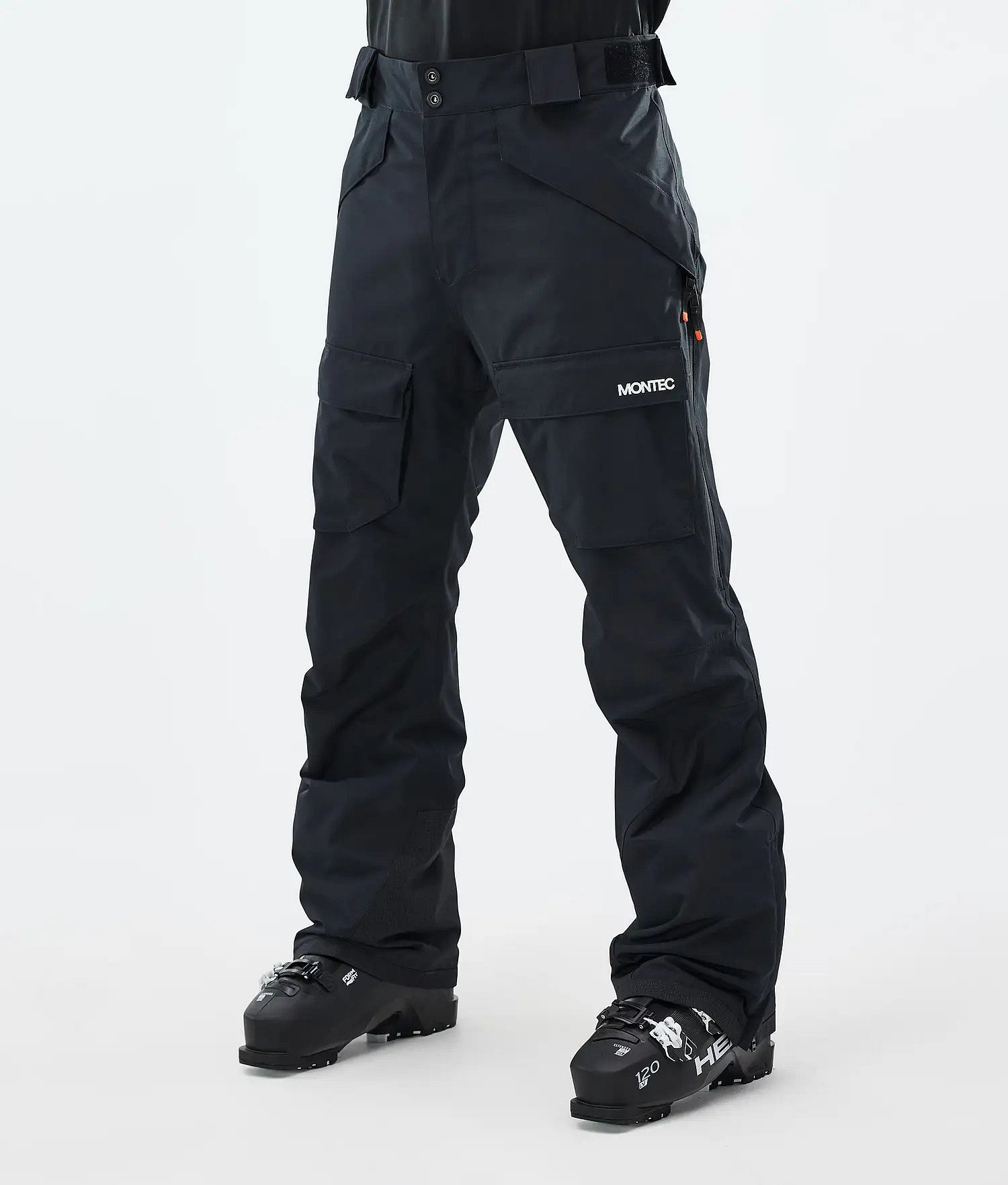
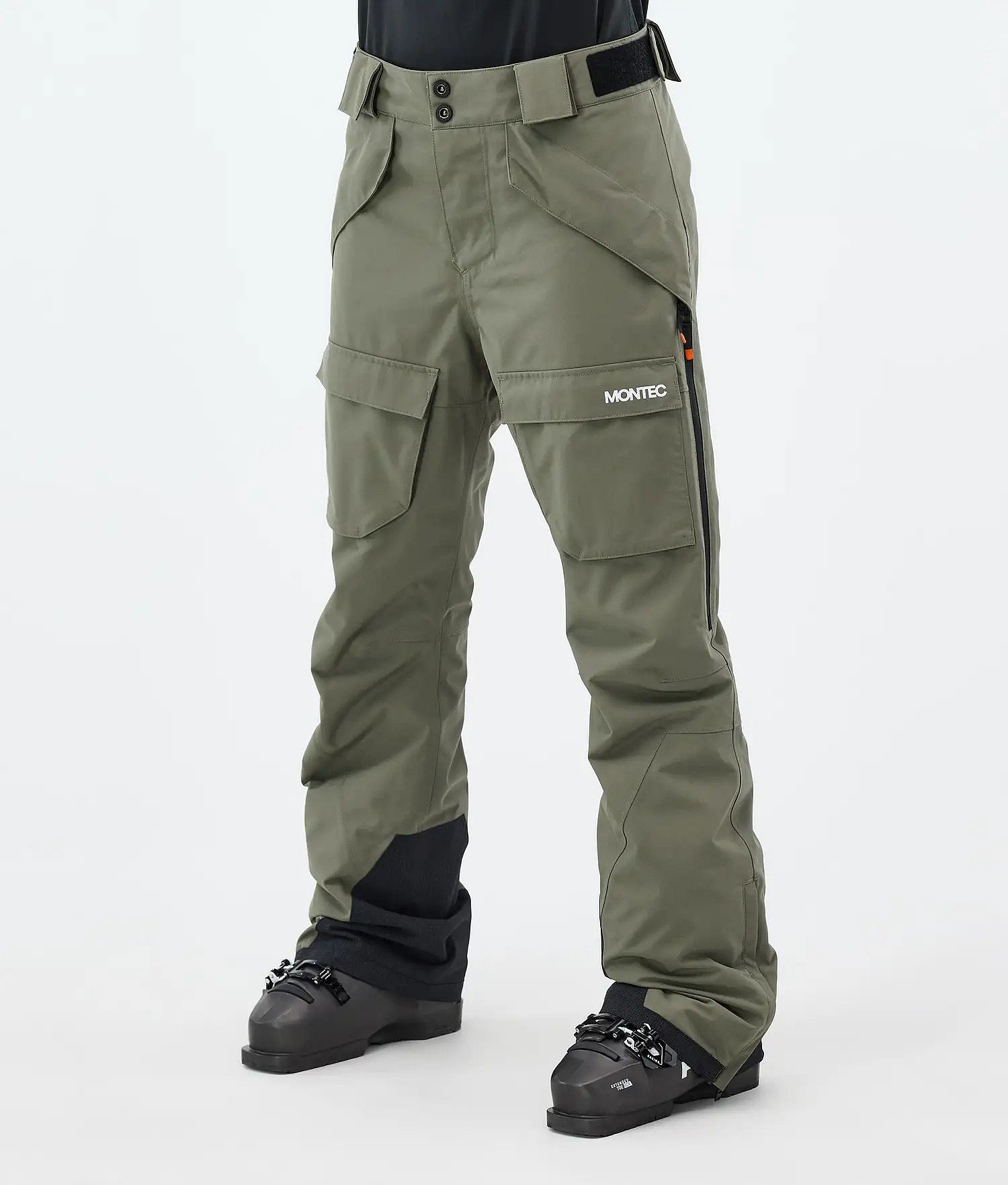
Traditional ski or snow pants keep things simple. They’re quick to pull on, easy to layer under, and generally feel less bulky than bibs. For resort riding, lessons, or casual laps, pants are often the more comfortable option, especially if you’re spending time sitting on lifts or stopping frequently.
Pants are also more versatile across different conditions. They tend to vent heat more easily and pair well with different jacket lengths, making them a solid choice for warmer conditions or riders who run hot. The trade-off, though, is reduced snow protection around the waist, which can be noticeable on deep days or if you spend time kneeling, falling, or hiking. A good jacket with a powder skirt mitigates this, though, so it’s just a matter of preference.
How to choose between them
If you regularly ski deep powder, trees, or off-piste terrain, bibs are hard to beat. The extra coverage keeps snow out, adds warmth, and makes them ideal for falls, boot packs, and long days exploring beyond groomed runs. This style is also popular with riders who like extra storage and a locked-in feel. But they aren’t just for backcountry addicts. Lots of riders enjoy wearing bibs in the spring with just a hoodie underneath, as they offer better snowproofing than regular pants without the need for a jacket.
However, for resort skiing and milder conditions, classic ski pants are often the better choice. They’re lighter, easier to regulate temperature in, and more convenient overall. For backcountry or touring, it comes down to output level. Bibs provide protection and storage, but can run warm during climbs. In those cases, a breathable shell bib or a well-vented pant may be the smarter option, especially if you generate a lot of heat while moving.
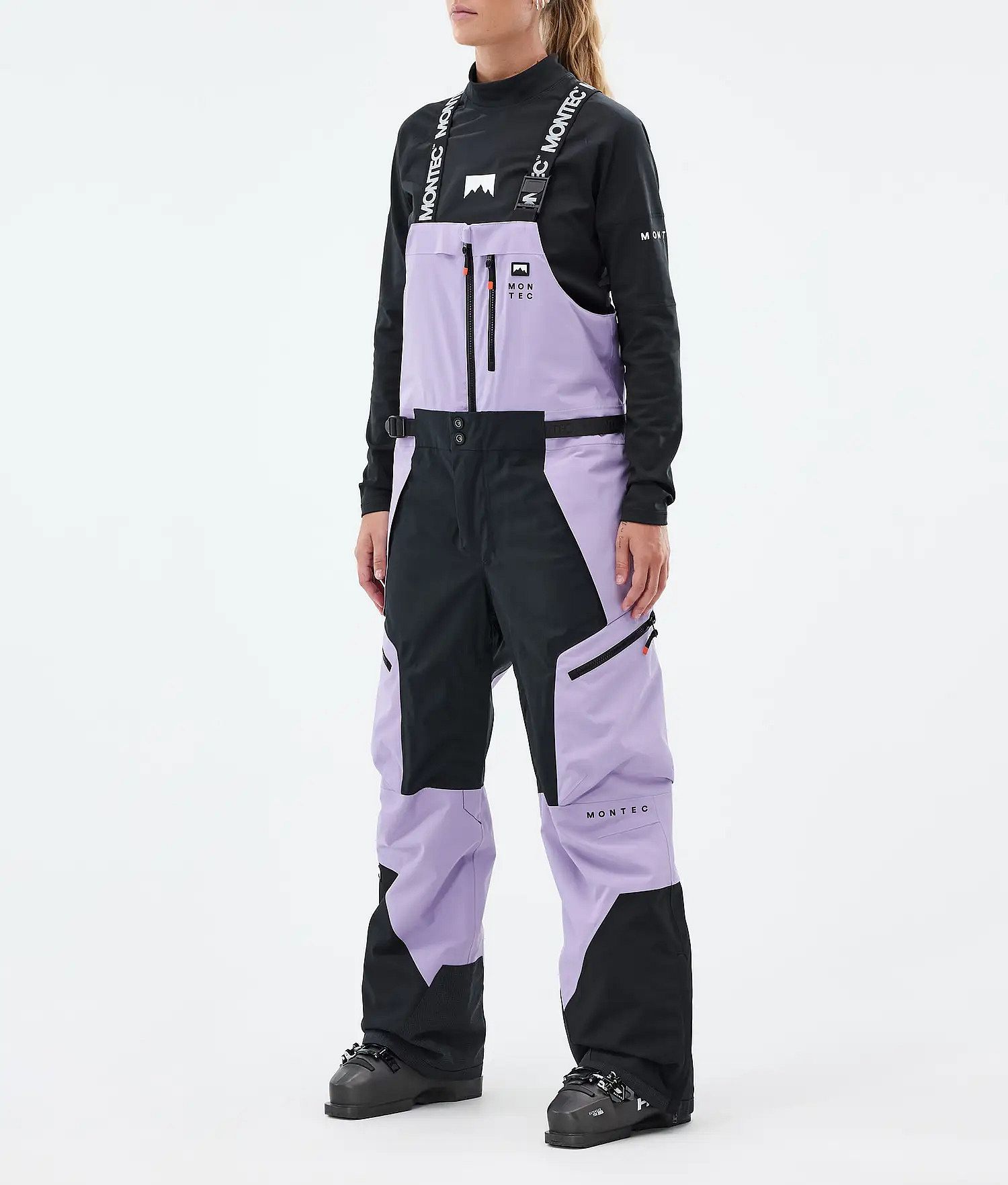
Explore more bib and pant styles from MONTEC
Wrapping up
It’s clear that ski bibs and ski pants both have plenty of strengths, and neither is the ‘right’ choice for everyone. Bibs excel in deep snow, rough terrain, and long days where protection matters most. Pants are great for simplicity, versatility, and comfort around the resort. Still struggling to choose? Think about where you ski, how hard you ride, and how warm you tend to run, and the right choice usually becomes pretty obvious from there.
Love this article or need more help deciding? Hit us up at crew@montecwear.com!
Related reading: